Ayurveda for Hidradenitis Suppurativa (HS): Ancient Healing for a Modern Skin Challenge
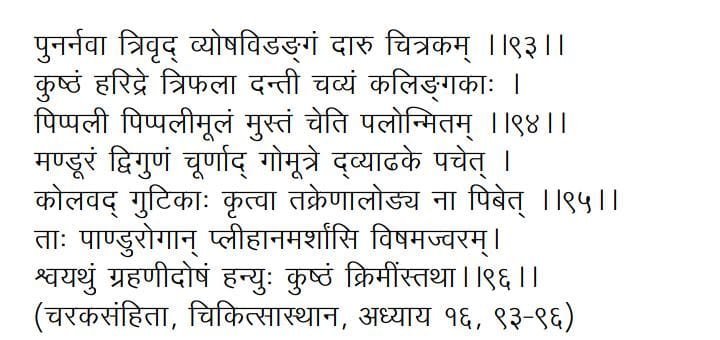
Hidradenitis Suppurativa (HS) is a chronic inflammatory skin condition marked by painful lumps, boil-like nodules, and abscesses in sweat-prone areas like armpits, groin, and buttocks. Modern medicine treats it with antibiotics, biologics, and surgeries—but Ayurveda offers a time-tested, root-cause approach. Ancient scriptures like Ashtanga Hridayam and Charaka Samhita classify HS-like conditions under Dushta Vrana (chronic infected wounds) and Vidradhi (deep abscesses). Ayurvedic Perspective on HS (Dushta Vrana & Vidradhi) According to Charaka Samhita, HS-like conditions result from Kapha and Pitta imbalance that blocks Srotas (body channels), leading to pus formation, inflammation, and tissue damage. The Ashtanga Hridayam (Chikitsa Sthana) describes Vidradhi as an internal or external abscess formed due to vitiated Rakta and Mamsa Dhatu (blood and muscle tissue). The pathology involves: Modern Insights + Ayurvedic Parallel Modern studies identify HS as an immune-mediated condition with follicular occlusion and bacterial infection. Research supports anti-inflammatory, antioxidant, and detox strategies—core to Ayurvedic practice. 🧪 Clinical Review of Immune Dysregulation in HS – NCBI Ayurvedic Treatments for HS 1. Shodhana (Detoxification): 2. Shamana (Herbal & Topical Remedies): Affiliate Recommendations: 3. Lepa & Oils: Ayurvedic Diet and Lifestyle for HS Most Googled Questions on Hidradenitis Suppurativa & Ayurveda HS is painful—but Ayurveda offers a path to healing. Combining ancient principles from Charaka and Hridayam with real-time, science-supported herbs, your skin can find relief, balance, and resilience.