General ayurveda

The Power of Vibhitaki (Terminalia Bellirica): An Ayurvedic Treasure for Health and Wellness
General ayurveda

The Power of Vibhitaki (Terminalia Bellirica): An Ayurvedic Treasure for Health and Wellness

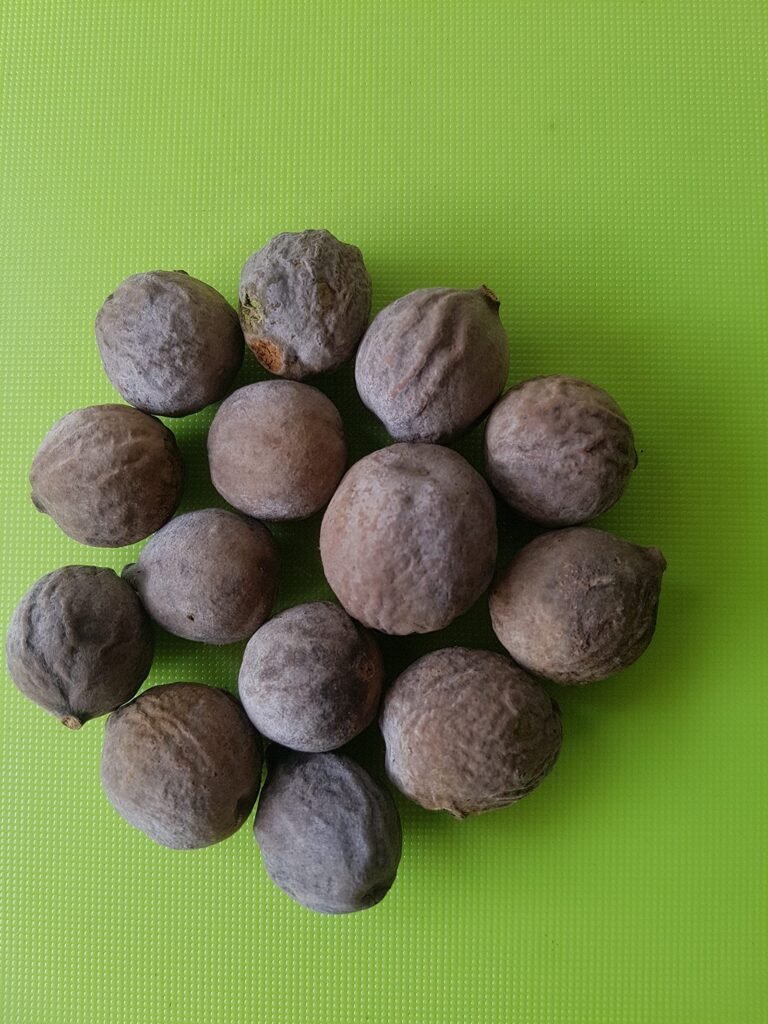
Introduction to Vibhitaki Vibhitaki, scientifically known as Terminalia bellirica, is one of the three powerful herbs in the famous Ayurvedic formulation Triphala. Rooted deeply in Ayurvedic wisdom, this extraordinary fruit is revered for its vast healing properties, ranging from improving digestion to promoting longevity. The Sanskrit name “Vibhitaki” means “fearless,” symbolizing its ability to tackle numerous health challenges effectively. Ayurvedic Properties of Vibhitaki According to Charaka Samhita and Sushruta Samhita, Vibhitaki is a potent Rasayana (rejuvenative). It is known for balancing the Kapha and Pitta doshas while having a mild effect on Vata. Rasa (Taste): Astringent (Kashaya) Guna (Qualities): Light (Laghu), Dry (Ruksha) Vipaka (Post-digestive Effect): Sweet (Madhura) Veerya (Potency): Warming (Ushna) Health Benefits of Vibhitaki Vibhitaki is an excellent expectorant, making it beneficial for individuals suffering from cough, cold, asthma, and chronic respiratory conditions. It helps apparent mucus accumulation in the lungs and improves breathing. Vibhitaki is renowned for its mild laxative properties that help cleanse the intestines. It stimulates digestive enzymes, relieves constipation, and eliminates toxins, making it an essential herb for gut health. Packed with antioxidants and antimicrobial properties, Vibhitaki strengthens the immune system, fights infections, and protects against seasonal illnesses. Ayurveda recommends Vibhitaki for treating eye disorders. It helps reduce eye strain, improves vision, and is often used in herbal formulations for cataracts and conjunctivitis. Vibhitaki is an excellent natural remedy for hair fall, premature greying, and dandruff. It nourishes hair follicles, strengthens roots, and adds shine to hair. Being a natural fat metabolizer, Vibhitaki helps in breaking down stored fat, making it an ideal herb for those looking to manage weight naturally. Vibhitaki helps regulate blood sugar levels and enhances insulin sensitivity, making it beneficial for diabetics. It helps in lowering cholesterol levels, preventing plaque formation, and improving heart function. Due to its detoxifying and anti-inflammatory properties, Vibhitaki is used in Ayurvedic skincare treatments for acne, eczema, and pigmentation. How to Use Vibhitaki Take 1-3 grams of Vibhitaki powder with warm water or honey daily for overall wellness. Boil one teaspoon of Vibhitaki powder in a cup of water, and drink it to support digestion and respiratory health. Combine it with Haritaki and Amalaki to enhance its rejuvenative properties. Apply a paste of Vibhitaki powder with water on wounds, skin infections, or the scalp for hair benefits. Side Effects and Precautions While Vibhitaki is generally safe, excessive use may lead to dryness, dehydration, or loose stools in sensitive individuals. Pregnant and lactating women should consult a healthcare provider before use. Final Thoughts Vibhitaki is truly an Ayurvedic gem with immense health benefits. Whether you use it for digestion, immunity, hair, or skin, this herb can transform your wellness journey naturally. Incorporate it into your routine and experience the magic of this age-old Ayurvedic remedy. Are you using Vibhitaki in your daily life? Share your experiences in the comments below!

Amalaki
General ayurveda

Amla (Amalaki): The Ultimate Superfood for Health, Immunity, & Beauty

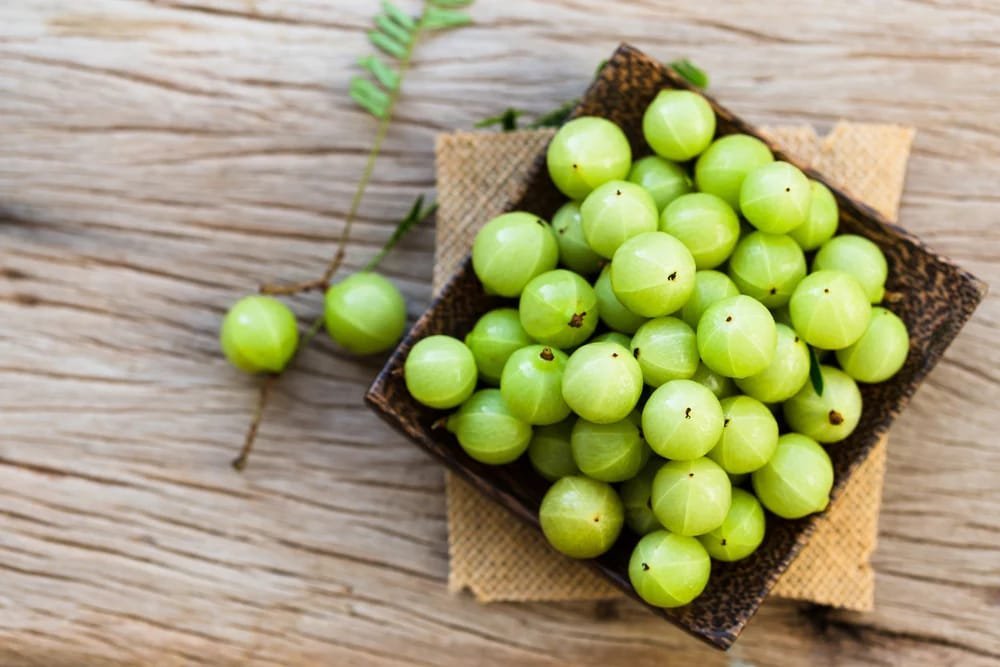
Amla, also known as Amalaki, Indian Gooseberry, or Phyllanthus emblica, is a powerful Ayurvedic superfood packed with Vitamin C, antioxidants, and essential nutrients. Revered in Ayurveda for its rejuvenating and healing properties, amla is a go-to remedy for boosting immunity, improving digestion, enhancing skin and hair health, and detoxifying the body. If you’re looking for a natural solution to stay healthy, youthful, and energetic, this blog will cover everything about amla – its benefits, uses, side effects, and how to include it in your diet. Nutritional Value of Amla (Per 100g) ✔ Calories: 44✔ Carbohydrates: 10.2g✔ Fiber: 4.3g✔ Protein: 0.9g✔ Vitamin C: 600-900mg (20x more than an orange!)✔ Calcium, Iron, Phosphorus, and Antioxidants With such a nutrient-dense profile, amla is truly one of nature’s best gifts! Top 10 Health Benefits of Amla Amla is one of the richest sources of Vitamin C, which strengthens the immune system, fights infections, and protects against colds, flu, and respiratory diseases. Loaded with antioxidants and collagen-boosting properties, amla helps reduce wrinkles, fine lines, and pigmentation, giving you glowing, youthful skin. Amla is a natural hair tonic that strengthens roots, reduces hair fall, prevents premature graying, and promotes thicker, shinier hair. Rich in fiber and digestive enzymes, amla improves digestion, relieves constipation, acidity, and bloating, and promotes a healthy gut microbiome. Amla helps lower blood sugar levels and improves insulin sensitivity, making it beneficial for diabetics and prediabetics. Amla reduces bad cholesterol (LDL), increases good cholesterol (HDL), and controls blood pressure, supporting overall heart health. Amla cleanses the liver, eliminates toxins, and purifies the blood, helping in conditions like fatty liver and high uric acid levels. Amla boosts metabolism, burns fat, and curbs cravings, making it a great addition to a weight-loss diet. Amla is a natural brain booster that improves memory, concentration, and cognitive function, reducing the risk of Alzheimer’s and dementia. Packed with calcium and anti-inflammatory compounds, amla strengthens bones, reduces joint pain, and helps in arthritis management. How to Use Amla for Maximum Benefits ✔ Drink 30-50ml fresh amla juice every morning on an empty stomach for immunity, skin glow, and detox. ✔ Take 1 teaspoon of amla powder with warm water or honey for better digestion and metabolism. ✔ Mix amla powder with coconut oil and apply to the scalp for stronger, shinier hair. ✔ Apply amla juice or paste on the skin to reduce acne, dark spots, and pigmentation. ✔ Eat dried or candied amla for a tasty and healthy snack rich in antioxidants. Amla Side Effects & Precautions ✅ Safe for most people, but some may experience:❌ Acidity or stomach irritation if consumed in excess❌ May lower blood sugar too much (diabetics should monitor levels)❌ Not recommended in large amounts during pregnancy without medical advice Final Thoughts: Why Amla is a Must-Have Superfood Amla is a true Ayurvedic powerhouse, offering countless health benefits for immunity, skin, hair, digestion, and overall well-being. Whether consumed as juice, powder, or in raw form, this wonder fruit can transform your health naturally! Do you include amla in your diet? What’s your favorite way to use it? Share your thoughts in the comments! ✨ Follow our blog for more Ayurvedic health tips and remedies! ✨

Haritaki
General ayurveda

Terminalia Chebula (Haritaki): The Ultimate Ayurvedic Superfruit

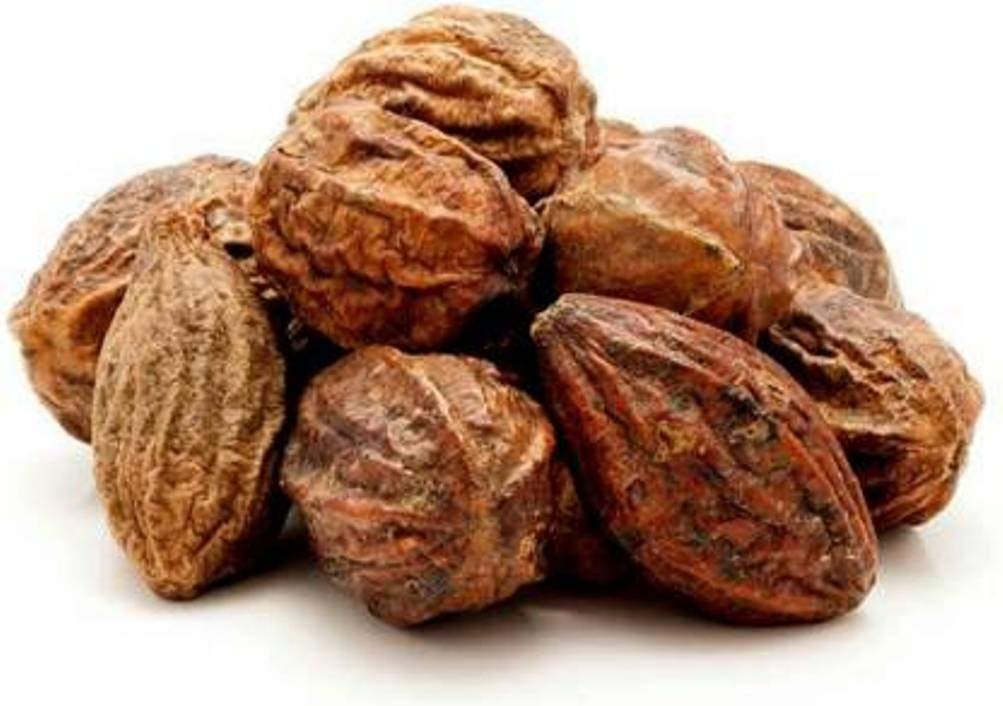
Terminalia chebula, commonly known as Haritaki, is one of the most revered herbs in Ayurveda. Often referred to as the “King of Medicines,” this miraculous fruit is packed with powerful healing properties. It is widely used in Ayurvedic, Unani, and Siddha medicine due to its numerous health benefits. In this blog, we will explore everything about Terminalia chebula, including its benefits, uses, dosage, side effects, and more. What is Terminalia Chebula? Terminalia chebula is a deciduous tree native to India, Nepal, Sri Lanka, China, and other parts of Southeast Asia. It produces small, oval-shaped fruits with a bitter and astringent taste. Haritaki is one of the three ingredients in the famous Triphala formulation and holds immense significance in Ayurvedic texts. Other Names of Terminalia Chebula Sanskrit: Haritaki, Abhaya, Kayastha Hindi: Harad Tamil: Kadukkai Telugu: Karakkaya Malayalam: Kadukka Kannada: Alale Nutritional Composition of Haritaki Haritaki is a rich source of:✔ Tannins✔ Flavonoids✔ Gallic acid✔ Chebulinic acid✔ Chebulagic acid✔ Ellagic acid✔ Antioxidants These bioactive compounds contribute to its immense medicinal properties. Health Benefits of Terminalia Chebula Haritaki acts as a natural digestive tonic and is often used to relieve constipation, bloating, gas, and indigestion. It stimulates digestive enzymes, regulates bowel movements, and detoxifies the intestines. Known as a natural detoxifying agent, Haritaki cleanses the liver, colon, and blood, helping to eliminate toxins from the body. Haritaki boosts metabolism and digestion, promoting fat loss by reducing cravings and supporting detoxification. Haritaki is rich in antioxidants and Vitamin C, which strengthen the immune system, making the body resilient against infections and diseases. Studies show that Haritaki can help lower blood sugar levels, making it beneficial for diabetic patients. ✔ For Skin: Haritaki helps treat acne, eczema, and skin infections due to its antimicrobial and anti-inflammatory properties.✔ For Hair: It prevents dandruff, scalp infections, and premature graying while promoting healthy hair growth. Haritaki is considered a nootropic herb that enhances memory, cognition, and mental clarity. It is often used in Ayurvedic brain tonic formulations. It helps lower bad cholesterol (LDL), improves blood circulation, and reduces the risk of heart disease. Haritaki is effective in treating cough, asthma, and bronchitis, clearing mucus from the lungs and providing relief. Its strong antioxidant and rejuvenating properties help delay signs of aging, keeping the skin youthful and healthy. How to Use Terminalia Chebula? For digestion: Mix ½ teaspoon of Haritaki powder with warm water before bed. For weight loss: Take Haritaki powder with honey in the morning. For skin health, apply a Haritaki paste mixed with rose water to the face. Take 1-2 tablets daily with water after meals. Used for hair and scalp massage to promote hair growth and prevent dandruff. Boil 1 teaspoon of Haritaki powder in water and drink for respiratory health. Dosage of Terminalia Chebula ✔ Powder: 1–3 grams per day✔ Capsules/Tablets: 1–2 capsules per day✔ Decoction: 30–50 ml per day Note: Always consult an Ayurvedic doctor before taking any herbal supplement. Side Effects & Precautions Although Haritaki is generally safe, excessive consumption may cause:❌ Loose stools or diarrhea (if taken in high doses)❌ Low blood sugar levels (caution for diabetics)❌ Dehydration (as it has laxative properties)❌ Not recommended for pregnant or lactating women 10 Frequently Asked Questions About Terminalia Chebula Yes, but in moderate doses. Long-term use should be under an Ayurvedic expert’s supervision. Yes! It is an excellent natural laxative that regulates bowel movements. It enhances metabolism, reduces cravings, and detoxifies the body, aiding in fat loss. Yes, it helps regulate blood sugar levels, but diabetics should monitor their glucose levels while taking it. Absolutely! It helps with acne, wounds, and skin infections when used as a paste. Yes, its antioxidants help reduce wrinkles and keep the skin youthful. Yes, but in very small doses and under an Ayurvedic doctor’s guidance. Yes, it helps clear mucus and supports respiratory health. Results vary, but noticeable changes often occur within a few weeks of regular use. Haritaki is available in Ayurvedic stores, online herbal stores, and on Amazon in the form of powder, capsules, and oil. Final Thoughts Terminalia chebula (Haritaki) is a powerful Ayurvedic superfruit with incredible health benefits. From digestion and weight loss to skin care and immunity, this natural remedy can transform overall health. However, moderation and proper guidance are essential for its safe consumption. If you’re looking for a natural way to detoxify, rejuvenate, and heal your body, Haritaki is worth trying! Have you used Haritaki before? Share your experience in the comments!

Jatyadi Ghritam
General ayurveda

Jatyadi Ghrita: A Powerful Ayurvedic Wound-Healing Remedy ( Ingredients , Therapeutic uses , Usage , Side effects , Precautions , with Shloka and Reference )

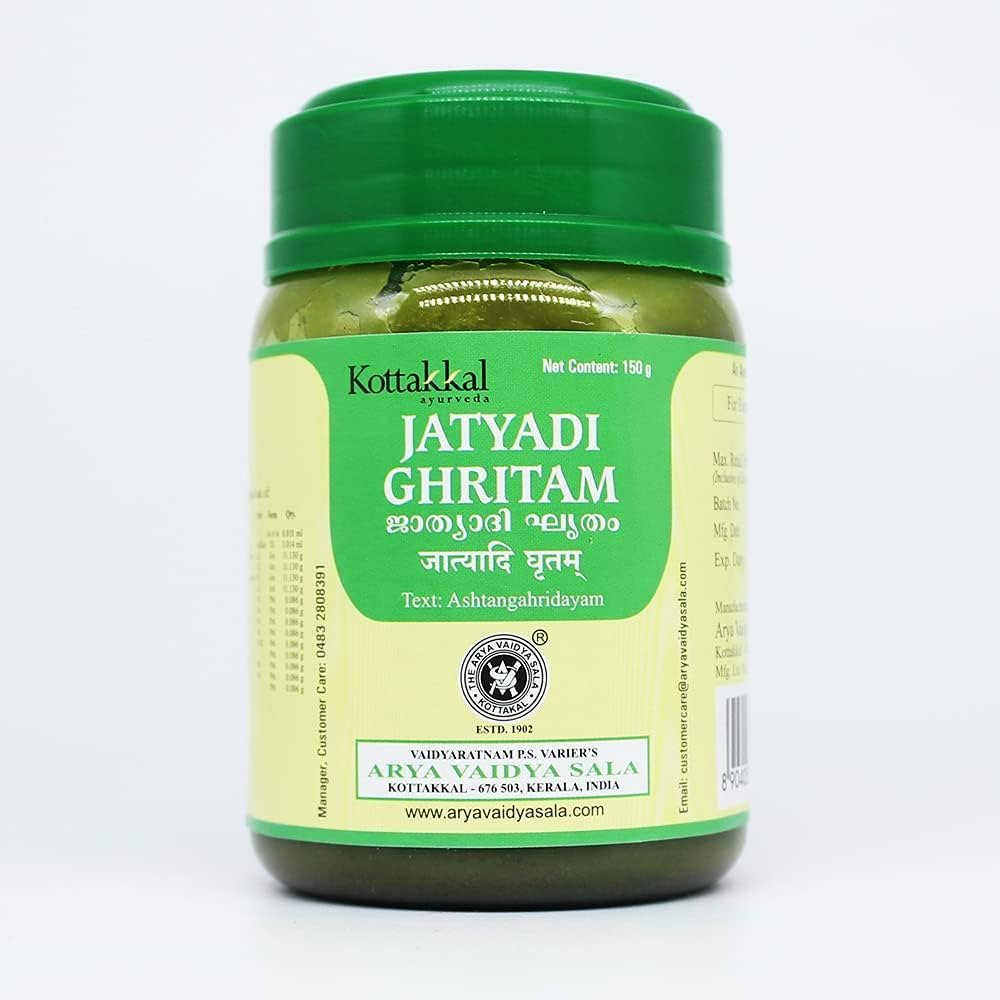
Discover the benefits of Jatyadi Ghrita for wound healing, burns, ulcers, and skin infections. Learn about its ingredients, dosage, uses, and precautions. Buy authentic Jatyadi Ghrita online with our recommended products! Jatyadi Ghrita is a traditional Ayurvedic medicated ghee known for its powerful wound-healing properties. It is used to treat chronic ulcers, burns, anal fissures, piles, and skin infections. This herbal formulation accelerates tissue regeneration, reduces inflammation, and prevents infections naturally. If you’re looking for a 100% Ayurvedic solution for wound healing, Jatyadi Ghrita might be the perfect remedy. Let’s explore its ingredients, benefits, dosage, precautions, and where to buy the best Jatyadi Ghrita online. Jatyadi Ghrita Ingredients Jatyadi Ghrita is a polyherbal formulation infused in ghee, which enhances its absorption and effectiveness. Jati (Jasminum grandiflorum) – Antiseptic, accelerates wound healing Neem (Azadirachta indica) – Antibacterial, detoxifies the skin Haridra (Turmeric, Curcuma longa) – Anti-inflammatory and natural antiseptic Manjistha (Rubia cordifolia) – Blood purifier, supports skin health Daruharidra (Berberis aristata) – Natural antibiotic, prevents infections Haritaki, Vibhitaki, Amalaki – The Triphala ingredients that enhance skin regeneration Tila Taila (Sesame Oil) – Nourishes and helps in deep absorption Goghrita (Cow’s Ghee) – The base ingredient, promoting wound healing These ingredients work synergistically to heal wounds, reduce inflammation, and restore skin health. Therapeutic Uses of Jatyadi Ghrita Treats chronic wounds, ulcers, and diabetic foot ulcers. Prevents bacterial and fungal infections. Soothes burned skin and reduces scars. Prevents secondary infections in burn wounds. Relieves pain, burning, and irritation. Promotes quick healing of anal fissures. Useful in eczema, psoriasis, and dermatitis. Treats itching, redness, and inflammation. Helps in post-operative wound healing. Prevents scarring and infections. USAGE For External Use: Apply a thin layer over the affected area after cleansing. Side Effects & Precautions Jatyadi Ghrita is generally safe for external use, but consider the following precautions: ✅ Avoid Internal Use Without Doctor’s Guidance – Since it contains ghee and oil-based herbs, it may not be suitable for people with high cholesterol. ✅ Allergy Test Recommended – If you have sensitive skin, patch test before use. ✅ Avoid in Pregnant & Lactating Women – Internal use should be done under medical supervision. ✅ For Diabetics: Internal use should be monitored due to ghee content. Reference Astanga hridaya, uttarsthana, adhyaya 25 – 67 Where to Buy Authentic Jatyadi Ghrita Online? Buying authentic Ayurvedic formulations is crucial for getting the best results. Here are the top-quality Jatyadi Ghrita options available online: Best Jatyadi Ghrita Brands on Amazon: 1️⃣ Kerela Ayurveda Jatyadi Ghrita – Buy Here2️⃣ Vaidyaratnam Jatyadi Ghrita – Buy Here3️⃣ Patanjali Jatyadi Ghrita – Buy Here Frequently Asked Questions (FAQs) Yes, it is highly effective for chronic wounds, bedsores, and deep ulcers. For severe cases, consult an Ayurvedic doctor. Healing time varies based on the wound type. Minor wounds may heal within a few days, while chronic ulcers or fistulas may take weeks. Yes! It is cooling, soothing, and helps prevent infections, making it an excellent remedy for burns. Yes, it is safe for external application on minor wounds. Internal use should be done only under expert guidance. Yes, it soothes pain, irritation, and promotes healing of anal fissures and piles. Conclusion Jatyadi Ghrita is an Ayurvedic powerhouse for wound healing, providing natural relief from ulcers, burns, and skin disorders. Whether you need it for cuts, infections, or post-surgical recovery, this herbal ghee is a must-have in your Ayurvedic first-aid kit. ➡️ Want to try Jatyadi Ghrita? Shop Now on Amazon!

General ayurveda

Effective Ayurvedic Treatment for Shedding Pounds

You didn’t gain all your weight in one day ;you won’t lose it one day .Be patient with yourself. -Jenna Wolfe Introduction to Ayurvedic Medicine for Weight Loss Ayurvedic medicine offers a distinct and holistic methodology for achieving weight loss. Originating from ancient Indian practices, Ayurveda emphasizes the importance of balancing the body’s intrinsic energies, known as doshas, to maintain overall health. This traditional system views weight management not just as a physical challenge but as an intricate interplay of mind, body, and spirit. Unlike conventional weight loss strategies, which often rely on generalized approaches, Ayurvedic treatments are highly personalized. They consider an individual’s unique constitution, lifestyle, and dietary habits to create a tailored plan that promotes effective and sustainable weight loss. Central to this philosophy is the belief that imbalance in the body’s doshas—Vata, Pitta, and Kapha—can lead to various health issues, including weight gain. Ayurveda identifies the Kapha dosha as a significant factor in weight-related problems due to its association with structure, lubrication, and stability in the body. When Kapha becomes imbalanced, it can result in sluggish metabolism, fluid retention, and the accumulation of toxins, all of which contribute to weight gain. To address these imbalances, Ayurvedic medicine employs a variety of herbal supplements, dietary modifications, and lifestyle changes. These interventions aim to stimulate digestion, enhance metabolic rate, and facilitate the detoxification process. By focusing on the root causes of weight gain rather than merely the symptoms, Ayurveda seeks to restore harmony within the body, thus promoting natural and effective weight loss. In the following sections, we will delve into specific Ayurvedic treatments that can aid in your weight loss journey, including detailed information about their benefits, recommended dosages, and potential side effects. Understanding Weight Loss through Ayurveda Ayurveda offers a unique viewpoint on weight loss by emphasizing the body’s natural balance and its impact on metabolism and fat storage. Central to this approach is the concept of the three doshas—Vata, Pitta, and Kapha. These doshas are believed to influence various physiological functions, including weight regulation. An excess of the Kapha dosha, which is associated with structure and stability, is commonly linked to weight gain. Ayurvedic treatments aim to restore balance to these doshas through a combination of herbal supplements, dietary changes, and lifestyle adjustments. Scientific evidence supports some Ayurvedic practices for weight loss. For instance, studies indicate that Triphala, a traditional Ayurvedic formulation, can significantly reduce body fat percentage, body weight, and energy intake in diet-induced obese mice over a 10-week period. These findings suggest that Triphala may have potential benefits in managing obesity. In Ayurveda, the focus is on addressing the root causes of weight gain, such as poor digestion, low metabolic rate, and toxin accumulation. Herbal formulations like Medohara Guggulu and Arogyavardhani Vati are designed to enhance digestion and fat metabolism, thereby supporting weight loss. Dietary recommendations often include foods that are easy to digest and help in detoxification, such as warm soups, whole grains, and fresh vegetables. Lifestyle modifications, including regular physical activity and stress management techniques like yoga and meditation, are also integral to the Ayurvedic approach. By promoting overall well-being, Ayurveda seeks to achieve sustainable and effective weight management. Medohara Guggulu: The Fat Fighter Medohara Guggulu is a renowned Ayurvedic formulation crafted to address excess fat and promote weight management. It primarily works by enhancing lipid metabolism and aiding in the reduction of fat accumulation in the body. The key ingredients in Medohara Guggulu include Guggulu (Commiphora mukul), Triphala, and other potent herbs known for their fat-reducing properties. For effective results, the usual dosage ranges from 500 mg to 1 g, taken twice daily after meals. However, it’s essential to consult with an Ayurvedic practitioner to tailor the dosage to your specific needs. This ensures not only efficacy but also safety. The benefits of Medohara Guggulu extend beyond fat reduction. It supports overall digestive health, improves metabolism, and helps in the detoxification process. By improving digestion and reducing lipid levels, it contributes to a more balanced and healthy body composition. While Medohara Guggulu is generally well-tolerated, some individuals may experience mild digestive disturbances, such as stomach discomfort or loose stools. It is advisable to start with a lower dose and gradually increase it as tolerated. Those with pre-existing health conditions, especially gastrointestinal disorders, should use this formulation with caution and under medical supervision. Incorporating Medohara Guggulu into a comprehensive Ayurvedic regimen that includes dietary adjustments and lifestyle changes can significantly enhance its weight loss benefits. Amritadi Guggulu: For Holistic Weight Reduction Amritadi Guggulu is a well-regarded Ayurvedic formulation designed to aid in holistic weight reduction. This herbal blend is effective in managing obesity by promoting the breakdown of excess body fat and supporting the body’s natural detoxification processes. The active ingredients in Amritadi Guggulu, including Guggulu (Commiphora mukul), Triphala, and other detoxifying herbs, work synergistically to enhance fat metabolism and remove accumulated toxins. The typical dosage for Amritadi Guggulu is 1-2 tablets taken twice daily after meals. However, consulting a qualified Ayurvedic practitioner for personalized dosage recommendations is crucial, as individual needs can vary. This ensures that the formulation is both effective and safe for the user. Amritadi Guggulu offers multiple benefits beyond weight reduction. It helps in regulating cholesterol levels, improving digestion, and maintaining overall metabolic health. By addressing the root causes of weight gain, such as poor digestion and toxin accumulation, this formulation supports a balanced and healthy body composition. While generally considered safe, Amritadi Guggulu may cause mild gastrointestinal discomfort in some individuals, especially when taken in higher doses. It is advisable to start with a lower dose and gradually increase it under professional guidance. People with pre-existing health conditions or those on medication should use this supplement with caution and consult a healthcare provider to avoid potential interactions. Incorporating Amritadi Guggulu into a comprehensive Ayurvedic regimen, which includes dietary adjustments and lifestyle changes, can significantly enhance its weight loss benefits. Arogyavardhani Vati: The Digestive Booster Arogyavardhani Vati is a pivotal Ayurvedic formulation known for its role in

Bridging ancient Ayurvedic wisdom with the modern world — providing authentic, expert health knowledge rooted in classical texts and clinical experience.

Categories

Health Topics

Company

Avenue William St, Melbourne VIC 2400, Australia

+(426) 266 348 76

example@ecoplant.com

Scroll to Top