Child Care

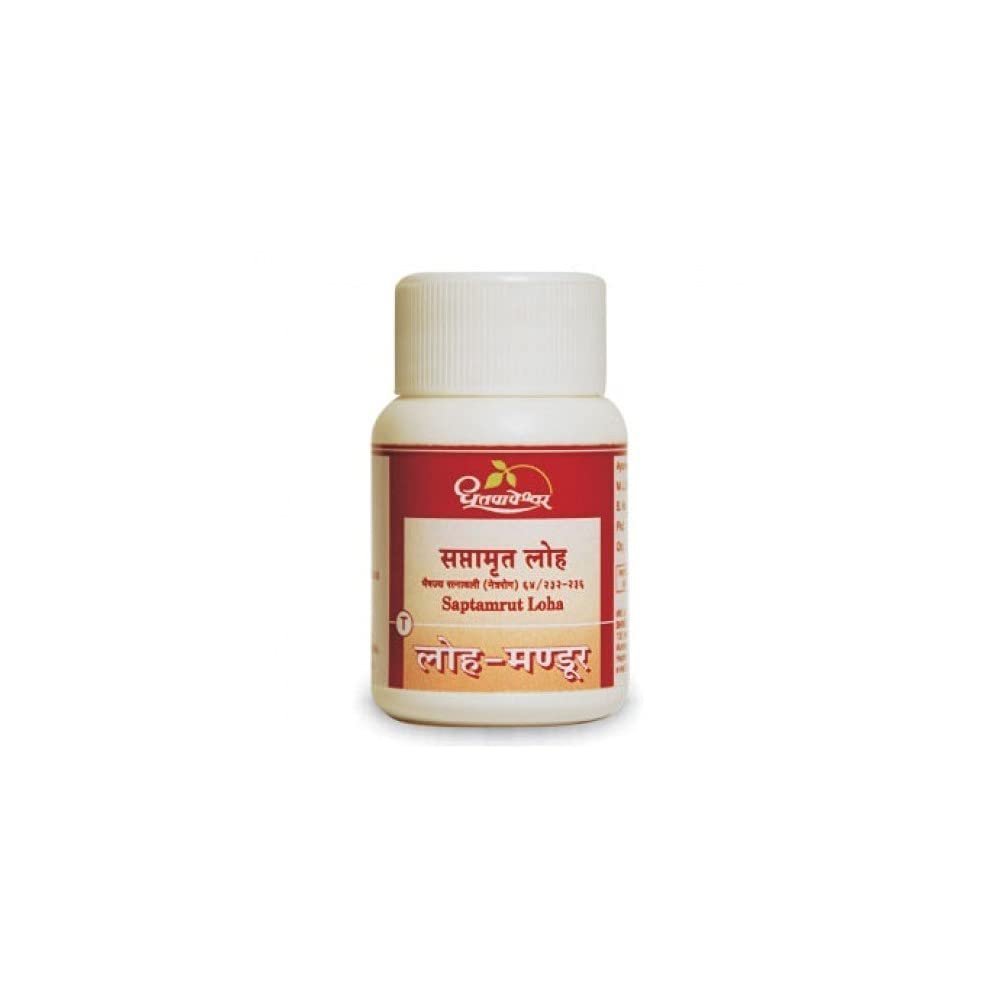
Saptamruta loha dhutpapeswar
Child Care

Suwarna Prashan: Ayurvedic Immunity Booster for Children

Introduction Suwarna Prashan (also spelled as Swarna Prashana) is an ancient Ayurvedic formulation given to children to enhance their immunity, intelligence, and overall well-being. This powerful blend of gold ash (Swarna Bhasma), ghee, honey, and herbal extracts has been traditionally used for thousands of years to support a child’s physical and mental development. In this blog, we will cover: What is Suwarna Prashan? Suwarna Prashan is an Ayurvedic immune-boosting tonic prepared using Swarna Bhasma (purified gold ash) mixed with medicated ghee and honey. It is given to newborns and children up to 16 years of age to promote cognitive development, boost immunity, and enhance overall health. Why is Suwarna Prashan Important? According to Ayurveda, gold (Swarna) is a powerful Rasayana (rejuvenator) that strengthens the body’s defense system and enhances mental capabilities. Suwarna Prashan is mentioned in the Kashyapa Samhita, an ancient Ayurvedic text, as a potent elixir that improves intelligence, digestion, and immunity in children. Key Ingredients in Suwarna Prashan 1. Swarna Bhasma (Gold Ash) 2. Ghrita (Cow’s Ghee) 3. Madhu (Honey) 4. Medhya Herbs (Brain-Boosting Herbs) Benefits of Suwarna Prashan 1. Boosts Immunity Suwarna Prashan enhances the body’s defense mechanisms, making children less prone to infections, colds, and flu. 2. Improves Memory & Cognitive Development The regular intake of Suwarna Prashan improves brain function, memory retention, and concentration. 3. Supports Physical Growth It strengthens bones and muscles, ensuring optimal physical development. 4. Detoxifies the Body Suwarna Bhasma acts as a natural detoxifier, removing toxins and balancing the doshas (Vata, Pitta, Kapha). 5. Enhances Digestion & Metabolism The herbal formulation supports gut health, ensuring better absorption of nutrients. 6. Prevents Allergies & Respiratory Issues It helps reduce the chances of asthma, bronchitis, and other respiratory conditions. 7. Reduces Hyperactivity & Improves Behavior Suwarna Prashan is beneficial for children with ADHD, helping them stay calm and focused. How to Administer Suwarna Prashan? When to Give Suwarna Prashan? Suwarna Prashan is ideally given on Pushya Nakshatra, an auspicious day that occurs every 27 days, as per the Hindu calendar. However, it can also be given daily for better results. Ideal Dosage How to Give Suwarna Prashan? Frequently Asked Questions (FAQs) 1. Can I give Suwarna Prashan to my newborn baby? Yes, Suwarna Prashan can be given from birth. It strengthens immunity and overall health. 2. Is Suwarna Prashan safe for all children? Yes, when taken in the recommended dosage, it is safe and free from side effects. 3. Can children with allergies take Suwarna Prashan? Yes, it helps in reducing allergic reactions and respiratory problems over time. 4. How long should I give Suwarna Prashan to my child? For maximum benefits, it should be given for at least 6 months to 1 year. 5. Will Suwarna Prashan help with speech development? Yes, herbs like Vacha and Brahmi in Suwarna Prashan help improve speech and communication skills. 6. Can it be given to hyperactive children? Yes, it helps in calming the mind and improving focus in hyperactive children. 7. What is the best time to give Suwarna Prashan? Morning on an empty stomach, preferably on Pushya Nakshatra days. 8. Does Suwarna Prashan have any side effects? No, when given in the correct dosage, it is completely safe. 9. Can Suwarna Prashan be taken with other medicines? Yes, but consult an Ayurvedic doctor if your child is on medication. 10. Where can I buy authentic Suwarna Prashan? You can buy high-quality Suwarna Prashan from trusted Ayurvedic brands. Affiliate Links: Best Suwarna Prashan Products Final Thoughts Suwarna Prashan is a time-tested Ayurvedic formulation that boosts immunity, improves intelligence, and promotes overall well-being in children. Regular administration, along with a healthy lifestyle, can ensure a strong foundation for your child’s physical and mental health. For best results, consult an Ayurvedic practitioner and choose high-quality Suwarna Prashan products from trusted sources. Give your child the power of Ayurveda for a healthier future!
Why Does My Child Wet the Bed? Causes, Ayurvedic Remedies, and Prevention
Child Care

Why Does My Child Wet the Bed? Causes, Ayurvedic Remedies, and Prevention

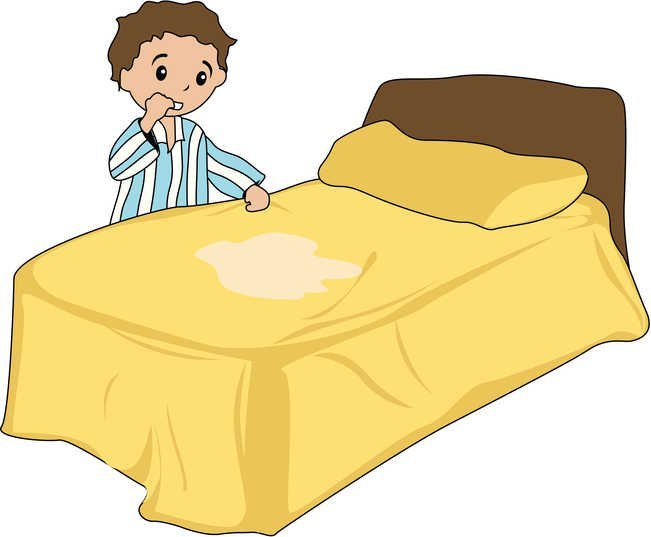
Introduction Bedwetting, or nocturnal enuresis, is a common concern among parents of young children. It occurs when a child involuntarily urinates during sleep, even after they have been toilet trained. While bedwetting can be frustrating, it is usually a normal part of childhood development and often resolves with time. However, frequent episodes may indicate underlying issues that require attention. In this blog, we will cover: What Causes Bedwetting in Children? Several factors contribute to bedwetting, including: Ayurvedic Perspective on Bedwetting In Ayurveda, bedwetting is linked to an imbalance in Vata dosha, which governs the nervous system and bladder control. Weak digestive fire (Agni) and excess Kapha dosha can also contribute to bedwetting by creating sluggish digestion and excessive moisture in the body. Ayurvedic Treatment for Bedwetting Natural Ways to Stop Bedwetting 1. Reduce Fluid Intake Before Bed 2. Encourage Regular Toilet Habits 3. Use a Bedwetting Alarm 4. Dietary Changes to Strengthen the Bladder 5. Emotional Support & Stress Management Best Foods for Preventing Bedwetting Recommended Foods: Foods to Avoid: Frequently Asked Questions (FAQs) 1. At what age should I be concerned about bedwetting? Bedwetting is normal until age 5-6. If it persists beyond age 7, consult a doctor or Ayurvedic practitioner. 2. Can stress or anxiety cause bedwetting? Yes, emotional stress or major life changes can trigger bedwetting episodes. 3. Does bedwetting run in families? Yes, if one or both parents had bedwetting issues, their child is more likely to experience it too. 4. How does constipation lead to bedwetting? A full bowel presses against the bladder, reducing its capacity to hold urine, leading to bedwetting. 5. Can diet help reduce bedwetting? Yes, high-fiber foods prevent constipation, and bladder-strengthening foods like nuts and seeds can help. 6. Should I wake my child up at night to use the toilet? If bedwetting is frequent, waking them up once before midnight may help in bladder training. 7. Is bedwetting a sign of a medical problem? In rare cases, it could be a sign of a UTI, diabetes, or bladder dysfunction. Consult a doctor if other symptoms are present. 8. How does Ayurveda help with bedwetting? Ayurveda balances Vata and strengthens the nervous system using herbal remedies, dietary changes, and lifestyle modifications. 9. Can a bedwetting alarm help? Yes, a bedwetting alarm trains the brain to wake up when the bladder is full and is effective over time. 10. Will my child eventually outgrow bedwetting? Yes, most children outgrow bedwetting naturally as their bladder matures. Affiliate Links: Ayurvedic Remedies for Bedwetting To support your child’s bladder health naturally, check out these Ayurvedic products: Final Thoughts Bedwetting in children is a common developmental phase that usually resolves with time. Ayurveda provides gentle, natural solutions to support bladder control through herbal remedies, dietary changes, and stress management. With patience, reassurance, and consistent efforts, your child can overcome bedwetting naturally. Support your child with love, patience, and Ayurvedic wisdom!

Why Does My Child Have Recurring Lice Infestations? Causes, Prevention, and Ayurvedic Remedies
Child Care

Why Does My Child Have Recurring Lice Infestations? Causes, Prevention, and Ayurvedic Remedies

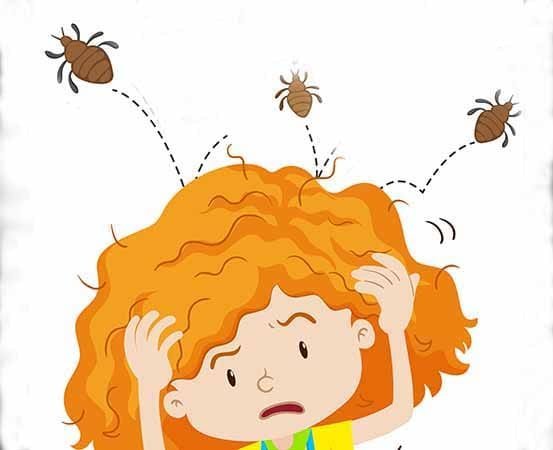
Introduction Recurring head lice infestations in children can be frustrating for both parents and kids. Lice are tiny parasitic insects that thrive on the scalp, feeding on blood and spreading easily through direct contact. While lice are not dangerous, they cause discomfort, itching, and social embarrassment. Many parents struggle to eliminate lice, leading to repeated infestations. In this blog, we will cover: What Causes Recurring Lice Infestations? If your child keeps getting lice, one or more of the following reasons may be responsible: How Do Lice Spread? Lice do not jump or fly but spread through direct head-to-head contact or shared belongings. Common transmission sources include: Signs and Symptoms of Lice Best Ways to Prevent Lice in Children Ayurvedic Remedies for Lice Treatment Ayurveda offers natural and safe ways to eliminate lice without chemicals. Foods That Support Scalp Health & Prevent Lice Best Foods for Healthy Hair & Scalp Foods to Avoid Frequently Asked Questions (FAQs) 1. Why does my child keep getting lice even after treatment? If all nits are not removed, they hatch and restart the infestation. Also, ensure all family members are treated to prevent reinfestation. 2. Can lice spread from pets? No, lice only live on human scalps and do not spread to pets. 3. How often should I check my child’s hair for lice? Weekly checks can help detect lice early and prevent severe infestations. 4. Are chemical lice treatments safe for children? Many chemical treatments contain strong pesticides. Ayurveda offers natural alternatives that are safer and effective. 5. Can coconut oil alone get rid of lice? Coconut oil can suffocate lice but is more effective when combined with neem oil or camphor. 6. How long does it take to get rid of lice? It usually takes 2-3 weeks of consistent treatment, including combing out nits daily. 7. What is the best Ayurvedic shampoo for lice? Shampoos containing neem, shikakai, or reetha work best to remove lice naturally. 8. Should I cut my child’s hair to remove lice? Cutting hair short is not necessary, but tying hair up reduces exposure. 9. Can lice cause serious health problems? Lice do not carry diseases, but excessive scratching can cause scalp infections. 10. Can home remedies work faster than chemical treatments? Yes, consistent use of neem, camphor, and herbal washes can eliminate lice effectively without side effects. Affiliate Links: Ayurvedic Remedies for Lice Prevention & Treatment To naturally eliminate and prevent lice, check out these recommended products: Final Thoughts Recurring lice infestations in children can be managed effectively with regular hair checks, Ayurvedic remedies, and proper hygiene. Chemical treatments may not always work due to resistance, but natural alternatives like neem oil, herbal washes, and preventive measures can help eliminate lice safely and effectively. Say goodbye to lice naturally and keep your child’s scalp healthy!

Why Does My Child Have Frequent Nosebleeds? Causes, Prevention, and Ayurvedic Remedies
Child Care

Why Does My Child Have Frequent Nosebleeds? Causes, Prevention, and Ayurvedic Remedies

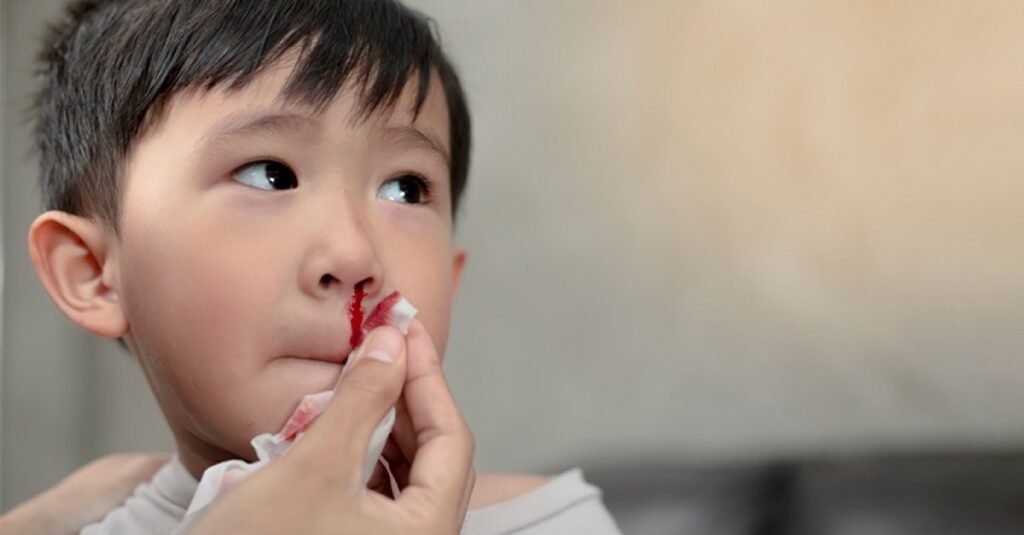
Introduction Frequent nosebleeds in children can be alarming for parents, but they are usually not a serious medical concern. Nosebleeds, or epistaxis, occur when the delicate blood vessels inside the nose rupture due to various factors such as dry air, nose picking, or underlying health conditions. Understanding the causes, prevention methods, and Ayurvedic remedies can help effectively manage and reduce the occurrence of nosebleeds in children. In this blog, we will cover: What Causes Frequent Nosebleeds in Children? Nosebleeds are common in children due to the fragility of nasal blood vessels. The most common causes include: Are Nosebleeds Dangerous? In most cases, nosebleeds are not dangerous and stop within a few minutes. However, frequent or heavy nosebleeds may require medical attention. Seek a doctor’s advice if: How to Prevent Nosebleeds in Kids? Preventing nosebleeds involves taking simple precautions to maintain nasal health. Best Ayurvedic Remedies for Nosebleeds Ayurveda recommends natural solutions to cool the body and strengthen blood vessels. Foods to Include and Avoid for Nosebleed Prevention Best Foods for Preventing Nosebleeds Foods to Avoid Frequently Asked Questions (FAQs) 1. How long should a child’s nosebleed last? With proper first aid, most nosebleeds stop within 5-10 minutes. If bleeding continues beyond 15 minutes, seek medical help. 2. What should I do immediately when my child has a nosebleed? Make your child sit up, tilt their head slightly forward, and pinch the soft part of the nose for 5-10 minutes. 3. Can dehydration cause nosebleeds? Yes, dehydration can dry out nasal passages, making them more prone to bleeding. 4. Should my child lie down during a nosebleed? No, lying down can cause blood to flow into the throat and may lead to choking or nausea. 5. How can I tell if my child’s nosebleeds are serious? If your child experiences frequent, heavy nosebleeds or has other bleeding symptoms (easy bruising, prolonged bleeding), consult a doctor. 6. Can allergies trigger nosebleeds? Yes, allergies can cause nasal inflammation, frequent sneezing, and irritation, leading to nosebleeds. 7. Is it safe to use petroleum jelly inside the nose? While petroleum jelly can provide moisture, Ayurveda recommends natural alternatives like ghee or coconut oil. 8. Can stress or anxiety cause nosebleeds? Yes, stress can raise blood pressure, which may contribute to nosebleeds in some cases. 9. Are nosebleeds hereditary? Some bleeding disorders that cause frequent nosebleeds can be genetic, but occasional nosebleeds are not typically inherited. 10. How can I strengthen my child’s nasal blood vessels? Providing vitamin C, iron, and hydration helps maintain strong blood vessels and prevents frequent nosebleeds. Affiliate Links: Ayurvedic Remedies for Nosebleeds To naturally support your child’s nasal health, check out these Ayurvedic remedies: Final Thoughts Frequent nosebleeds in children can be managed effectively with proper hydration, Ayurvedic remedies, and dietary changes. By addressing underlying causes and maintaining nasal moisture, you can significantly reduce the occurrence of nosebleeds in your child. If nosebleeds persist despite precautions, consult a pediatrician. Stay calm, follow Ayurveda, and check your child’s nasal health!

Why Does My Baby Get Hiccups After Eating? Causes, Prevention, and Ayurvedic Remedies
Child Care

Why Does My Baby Get Hiccups After Eating? Causes, Prevention, and Ayurvedic Remedies

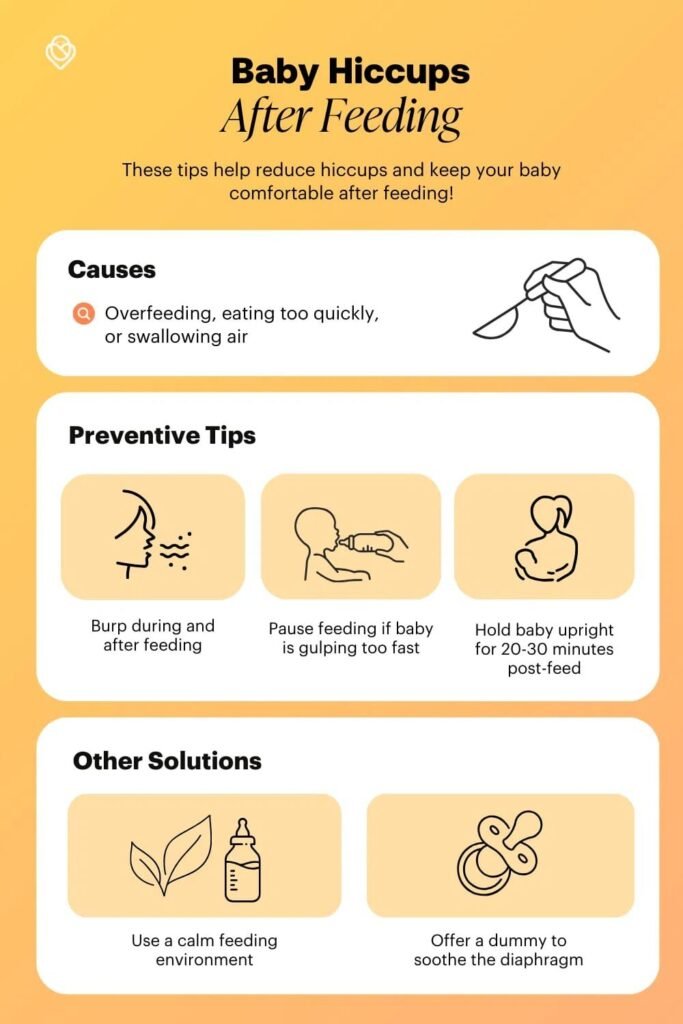
Introduction Hiccups in babies are a common occurrence and can be concerning for new parents. They usually happen due to the immaturity of the baby’s diaphragm, the muscle responsible for breathing. Hiccups are harmless in most cases and often resolve on their own. However, understanding the causes, prevention methods, and Ayurvedic remedies can help in effectively managing them. In this blog, we will cover: What Causes Baby Hiccups After Eating? Baby hiccups occur due to involuntary contractions of the diaphragm. These contractions can be triggered by: Are Baby Hiccups Normal? Yes! Baby hiccups are entirely normal and usually not a cause for concern. Babies even hiccup in the womb! Most infants experience hiccups frequently during their first few months as their body adjusts to feeding and digestion. However, if hiccups are persistent and accompanied by discomfort, vomiting, or difficulty breathing, it’s advisable to consult a pediatrician. How to Prevent Hiccups in Babies? Prevention is key to reducing the frequency of hiccups. Here are some practical tips: Best Ayurvedic Remedies for Baby Hiccups Ayurveda offers gentle and effective remedies for baby hiccups. Here are some natural ways to help relieve them: Foods to Include and Avoid for Hiccup Prevention Best Foods for Hiccup Prevention Foods to Avoid Frequently Asked Questions (FAQs) 1. How long do baby hiccups last? Baby hiccups typically last for a few minutes to an hour. They usually go away on their own without any medical intervention. 2. Is it okay to let my baby sleep with hiccups? Yes, it is completely safe. Hiccups do not disturb sleep, and most babies sleep through them. 3. Should I be concerned if my baby has frequent hiccups? Frequent hiccups are normal, but if they are accompanied by vomiting, discomfort, or difficulty feeding, consult a pediatrician. 4. Can I give my baby water to stop hiccups? For babies under six months, avoid giving water. Instead, try burping or repositioning them. 5. Do pacifiers help with hiccups? Yes, sucking on a pacifier can help relax the diaphragm and stop hiccups. 6. Can I use gripe water daily? Yes, but always check with your doctor and choose an Ayurvedic gripe water free from artificial additives. 7. Do hiccups mean my baby is full? Not necessarily. Hiccups are more often linked to air swallowing or digestion rather than fullness. 8. Can feeding too quickly cause hiccups? Yes, fast feeding can cause the baby to swallow excess air, leading to hiccups. 9. What is the best feeding position to prevent hiccups? Keeping your baby in an upright position at a 45-degree angle while feeding helps prevent hiccups. 10. Do hiccups affect my baby’s growth? No, hiccups do not impact a baby’s growth or development. Affiliate Links: Ayurvedic Remedies for Baby Hiccups To naturally support your baby’s digestion and reduce hiccups, check out these Ayurvedic remedies: Final Thoughts Hiccups in babies are common and usually not a cause for concern. By feeding in the right position, using Ayurvedic remedies, and ensuring proper digestion, you can effectively prevent and manage baby hiccups naturally. Always consult a pediatrician if you notice any unusual symptoms. Stay calm, trust Ayurveda, and enjoy your parenting journey!

Bridging ancient Ayurvedic wisdom with the modern world — providing authentic, expert health knowledge rooted in classical texts and clinical experience.

Categories

Health Topics

Company

Avenue William St, Melbourne VIC 2400, Australia

+(426) 266 348 76

example@ecoplant.com

Scroll to Top