Gynec issues

Ovarian Cancer: Causes, Symptoms, and Ayurvedic Management
Gynec issues

Ovarian Cancer: Causes, Symptoms, and Ayurvedic Management

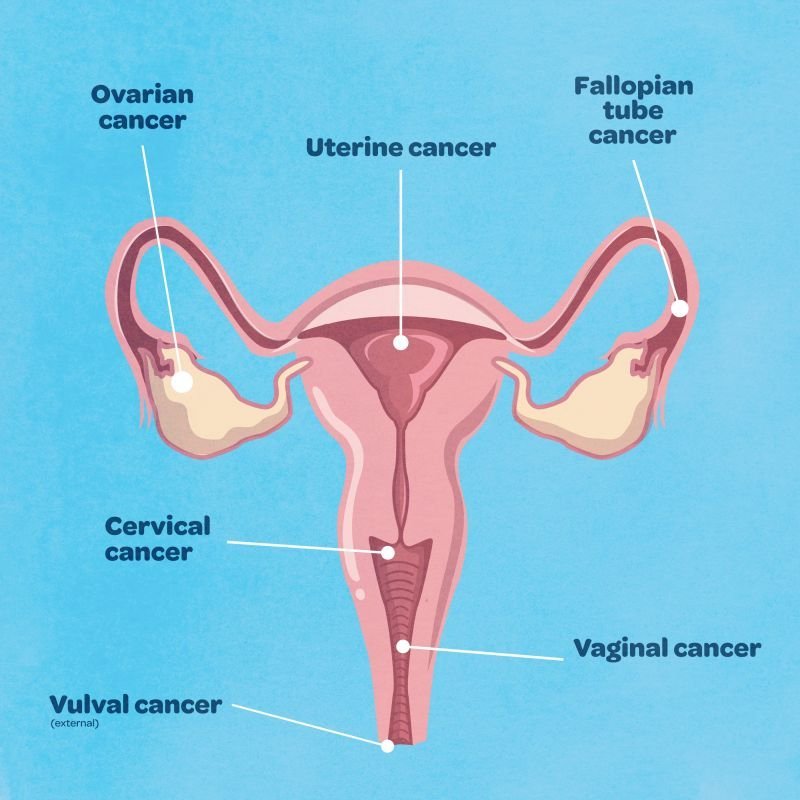
Introduction Ovarian cancer is one of the most serious gynecological cancers, affecting the ovaries, the female reproductive organs responsible for producing eggs and hormones. It is often called a “silent killer” because symptoms appear in later stages, making early detection crucial. While modern treatments include surgery, chemotherapy, and radiation, Ayurveda offers a holistic approach to prevent and manage ovarian cancer naturally by balancing the body’s doshas and boosting immunity. In this blog, we will cover: What is Ovarian Cancer? Ovarian cancer occurs when abnormal cells in the ovaries grow uncontrollably, forming tumors that may spread to other parts of the body. It is the fifth most common cause of cancer-related deaths in women due to late diagnosis. Common Symptoms of Ovarian Cancer How is Ovarian Cancer Diagnosed? Causes of Ovarian Cancer While the exact cause of ovarian cancer is unknown, several risk factors increase its likelihood: Ayurvedic Perspective on Ovarian Cancer According to Ayurveda, ovarian cancer is caused by an imbalance in Vata and Kapha doshas, leading to toxin accumulation (Ama) and disrupting cellular function. Strengthening the immune system and detoxifying the body are key aspects of Ayurvedic treatment. Ayurvedic Treatment for Ovarian Cancer How to Manage Ovarian Cancer Naturally 1. Dietary Adjustments A nutrient-rich diet helps in ovarian cancer prevention and management. 2. Superfoods for Ovarian Cancer Prevention 3. Herbal Teas for Ovarian Cancer 4. Lifestyle Modifications Affiliate Links: Ayurvedic Remedies for Ovarian Cancer Prevention To naturally support ovarian health, consider these Ayurvedic supplements and superfoods: 10 Most Frequently Asked Questions on Ovarian Cancer 1. Can ovarian cancer be prevented? While it cannot be completely prevented, regular screenings, a healthy diet, and lifestyle modifications reduce the risk. 2. How does Ayurveda help in treating ovarian cancer? Ayurveda focuses on detoxification, balancing doshas, and boosting immunity to prevent abnormal cell growth. 3. What are the best Ayurvedic herbs for ovarian cancer prevention? Ashwagandha, Giloy, Turmeric, and Shatavari support ovarian health and boost immunity. 4. Can ovarian cancer affect fertility? Yes, but early detection and treatment can help preserve fertility. 5. Is dairy good or bad for ovarian cancer prevention? Dairy may cause inflammation; plant-based alternatives like almond milk are better options. 6. How long does it take to see improvements with Ayurveda? With consistent Ayurvedic treatment and lifestyle changes, improvements are seen within 3-6 months. 7. Can stress worsen ovarian cancer risk? Yes, chronic stress weakens immunity and increases inflammation. 8. Is surgery the only option for treating ovarian cancer? Surgery is an option, but Ayurveda provides complementary therapies for holistic healing. 9. What exercises are best for ovarian cancer prevention? Yoga, brisk walking, and deep breathing exercises help in stress reduction and detoxification. 10. Are there any home remedies for ovarian health? Drinking turmeric milk, consuming flaxseeds, and practicing meditation can support ovarian health. Final Thoughts Ovarian cancer is a serious but manageable condition. By integrating Ayurvedic remedies, dietary changes, and a disciplined lifestyle, one can significantly reduce risk and improve overall well-being. For the best Ayurvedic supplements and remedies, check out our recommended products and start your healing journey today! Stay Healthy, Stay Balanced!
Ovarian Cancer: Causes, Symptoms, and Ayurvedic Management
Gynec issues

Cervical Cancer: Causes, Symptoms, and Ayurvedic Management

Introduction Cervical cancer is one of the most common cancers among women worldwide. It develops in the cells of the cervix, the lower part of the uterus that connects to the vagina. Human Papillomavirus (HPV) infection is the leading cause of cervical cancer. While modern medicine offers treatments like surgery, chemotherapy, and radiation, Ayurveda focuses on strengthening the immune system and balancing the body’s doshas to prevent and manage cervical cancer naturally. In this blog, we will cover: What is Cervical Cancer? Cervical cancer occurs when abnormal cells in the cervix grow uncontrollably. If not detected early, it can spread to other parts of the body, including the bladder, intestines, and lungs. It is one of the most preventable cancers, as regular screenings and HPV vaccinations significantly reduce the risk. Common Symptoms of Cervical Cancer How is Cervical Cancer Diagnosed? Causes of Cervical Cancer The primary cause of cervical cancer is persistent HPV infection, but other factors contribute to its development: Ayurvedic Perspective on Cervical Cancer According to Ayurveda, cervical cancer results from an imbalance in Vata and Pitta doshas, leading to toxin accumulation (Ama) in the reproductive tissues. A weakened immune system further allows cancerous cells to grow uncontrollably. Ayurvedic Treatment for Cervical Cancer How to Manage Cervical Cancer Naturally 1. Dietary Adjustments A well-balanced diet rich in antioxidants and anti-inflammatory foods can help in cervical cancer prevention and management. 2. Superfoods for Cervical Cancer Prevention 3. Herbal Teas for Cervical Cancer 4. Lifestyle Modifications Affiliate Links: Ayurvedic Remedies for Cervical Cancer Prevention To naturally support cervical health, consider these Ayurvedic supplements and superfoods: 10 Most Frequently Asked Questions on Cervical Cancer 1. Can cervical cancer be prevented? Yes, regular Pap smears, HPV vaccination, and a healthy lifestyle significantly reduce the risk. 2. How does Ayurveda help in treating cervical cancer? Ayurveda focuses on detoxification, strengthening immunity, and balancing doshas to prevent abnormal cell growth. 3. What are the best Ayurvedic herbs for cervical cancer prevention? Ashwagandha, Giloy, Turmeric, and Tulsi are beneficial for boosting immunity and preventing cancerous growth. 4. Can cervical cancer affect fertility? Yes, but early detection and treatment can preserve fertility. 5. Is dairy good or bad for cervical cancer prevention? Dairy can cause inflammation; opt for plant-based alternatives like almond or coconut milk. 6. How long does it take to see improvements with Ayurveda? With consistent Ayurvedic treatment, dietary changes, and exercise, improvement is seen within 3-6 months. 7. Can stress worsen cervical cancer risk? Yes, chronic stress weakens immunity and increases inflammation, making the body more vulnerable to diseases. 8. Is surgery the only option for treating cervical cancer? Surgery is an option, but Ayurveda offers complementary therapies to strengthen immunity and support healing. 9. What exercises are best for cervical cancer prevention? Yoga, brisk walking, and deep breathing exercises help in stress reduction and detoxification. 10. Are there any home remedies for cervical health? Drinking turmeric milk, consuming flaxseeds, and practicing meditation can promote overall well-being. Final Thoughts Cervical cancer is a preventable and manageable condition. With Ayurvedic remedies, dietary changes, and a disciplined lifestyle, one can significantly reduce the risk and improve overall health. For the best Ayurvedic supplements and remedies, check out our recommended products and start your healing journey today! Stay Healthy, Stay Balanced!
PCOD (Polycystic Ovarian Disease): Ayurvedic Insights, Causes, Remedies & Superfoods
Gynec issues

PCOD (Polycystic Ovarian Disease): Ayurvedic Insights, Causes, Remedies & Superfoods

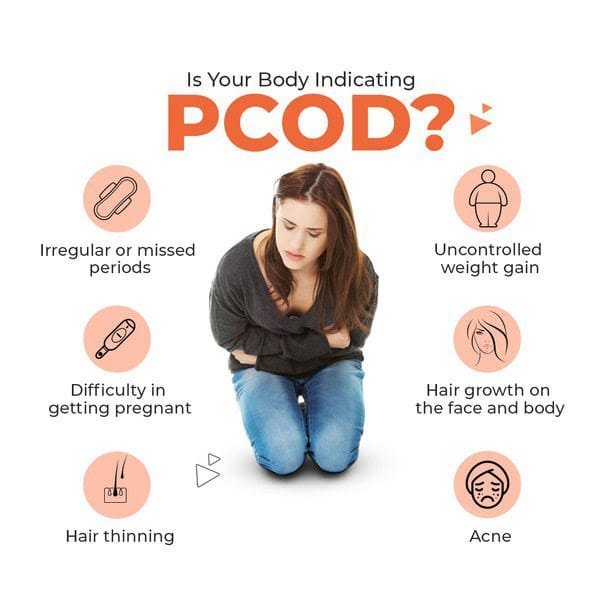
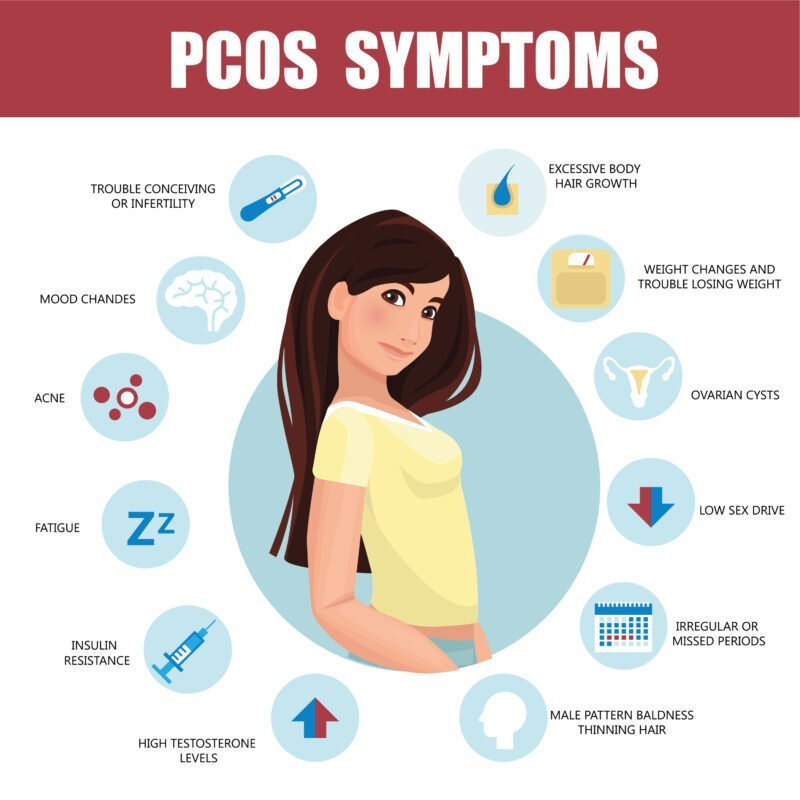
Introduction Polycystic Ovarian Disease (PCOD) is one of the most common hormonal disorders affecting women of reproductive age. It disrupts the normal functioning of the ovaries, leading to irregular periods, weight gain, infertility, and excessive hair growth. Ayurveda, the ancient Indian system of medicine, offers natural remedies and lifestyle modifications to manage and treat PCOD effectively. In this blog, we will explore: What is PCOD? PCOD (Polycystic Ovarian Disease) is a hormonal disorder in which the ovaries produce an excessive amount of androgens (male hormones), leading to multiple small cysts on the ovaries. This results in menstrual irregularities, weight fluctuations, acne, hair fall, and infertility. Symptoms of PCOD Causes of PCOD PCOD is primarily caused by an imbalance of hormones, but several factors contribute to its development: Ayurvedic Perspective on PCOD According to Ayurveda, PCOD is a result of imbalanced Vata and Kapha doshas. It leads to obstruction in the Shukra Dhatu (reproductive tissue), affecting ovulation and hormone regulation. Ayurvedic Remedies for PCOD How to Manage PCOD Naturally 1. Diet Modifications A well-balanced Ayurvedic diet plays a crucial role in managing PCOD. 2. Superfoods for PCOD 3. Herbal Teas for PCOD 4. Yoga & Exercise Regular exercise, particularly yoga and strength training, improves insulin sensitivity and balances hormones. Recommended yoga poses include: Affiliate Links: Must-Have Ayurvedic Products for PCOD To manage PCOD naturally, consider these Ayurvedic supplements and organic superfoods: 10 Most Frequently Asked Questions on PCOD 1. Can PCOD be completely cured? PCOD is a hormonal disorder that can be managed with lifestyle changes, Ayurvedic herbs, and proper diet, but a complete cure depends on individual’s body constitution. 2. How does Ayurveda help in treating PCOD? Ayurveda balances Vata and Kapha doshas, supports ovulation, and enhances reproductive health with herbal remedies and detox therapies. 3. What is the best Ayurvedic medicine for PCOD? Ashwagandha, Shatavari, Triphala, and Fenugreek effectively balance hormones. 4. Is PCOD the same as PCOS? No. PCOD is a condition where the ovaries produce immature eggs, while PCOS is a more severe metabolic disorder with prolonged symptoms. 5. Can weight loss reverse PCOD symptoms? Losing weight can significantly improve insulin sensitivity and hormonal balance, reducing PCOD symptoms. 6. What foods should be avoided in PCOD? Avoid processed foods, refined sugar, dairy, and excessive caffeine. 7. Can PCOD affect pregnancy? Yes, but with the right Ayurvedic treatment and lifestyle changes, many women with PCOD conceive naturally. 8. How does stress contribute to PCOD? Stress increases cortisol levels, disrupting insulin function and aggravating PCOD symptoms. 9. Is dairy good or bad for PCOD? Dairy can increase insulin resistance and inflammation. Prefer A2 cow milk or plant-based alternatives. 10. How long does it take to reverse PCOD naturally? With consistent Ayurvedic treatment, dietary changes, and exercise, improvement is seen within 3-6 months. Final Thoughts PCOD can be managed naturally with Ayurveda, mindful eating, and a disciplined lifestyle. By incorporating Ayurvedic herbs, superfoods, and yoga into daily life, one can regulate menstrual cycles, improve fertility, and maintain overall well-being. For the best Ayurvedic supplements and organic PCOD remedies, check out our recommended products and start your healing journey today! Stay Healthy, Stay Balanced!
Endometriosis and ayurveda
Gynec issues

Endometriosis: Causes, Symptoms, and Ayurvedic Management

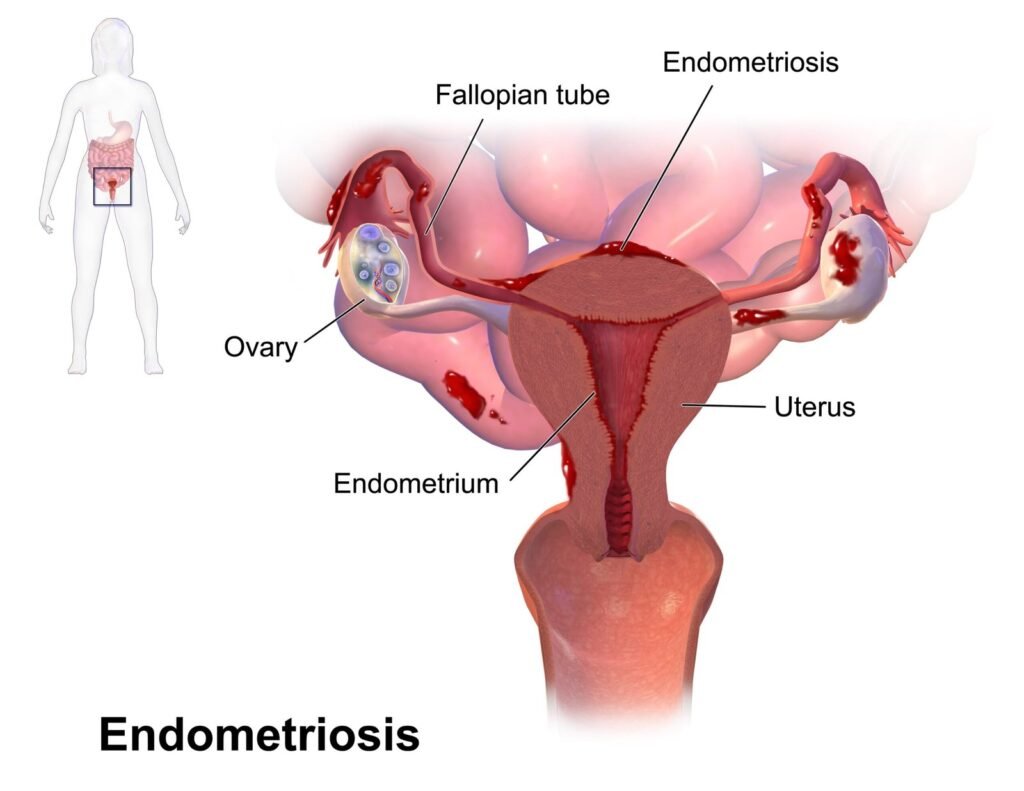
Introduction Endometriosis is a chronic and painful condition affecting millions of women worldwide. It occurs when tissue similar to the endometrial lining grows outside the uterus, leading to inflammation, severe pain, and fertility issues. While modern medicine focuses on pain management and surgical interventions, Ayurveda provides a holistic approach to treating the root causes of endometriosis. In this blog, we will cover: What is Endometriosis? Endometriosis is a condition where tissue similar to the uterine lining grows outside the uterus, commonly affecting the ovaries, fallopian tubes, and pelvic lining. This misplaced tissue responds to the menstrual cycle, causing pain, inflammation, and scar tissue formation. Common Symptoms of Endometriosis How is Endometriosis Diagnosed? Causes of Endometriosis While the exact cause remains unknown, the following factors contribute to its development: Ayurvedic Perspective on Endometriosis According to Ayurveda, endometriosis is caused by an imbalance in Vata and Kapha doshas. This leads to poor digestion, toxin accumulation (Ama), and blocked channels (Srotas), causing abnormal tissue growth. Ayurvedic Treatment for Endometriosis How to Manage Endometriosis Naturally 1. Dietary Adjustments A healthy, anti-inflammatory diet can significantly reduce symptoms. 2. Superfoods for Endometriosis 3. Herbal Teas for Endometriosis 4. Lifestyle Modifications Affiliate Links: Ayurvedic Remedies for Endometriosis To naturally manage endometriosis, consider these Ayurvedic supplements and superfoods: 10 Most Frequently Asked Questions on Endometriosis 1. Can endometriosis be completely cured? There is no permanent cure, but symptoms can be effectively managed through Ayurveda, diet, and lifestyle changes. 2. How does Ayurveda help in treating endometriosis? Ayurveda balances Vata and Kapha doshas, removes toxins, and supports the reproductive system naturally. 3. What are the best Ayurvedic herbs for endometriosis? Shatavari, Ashoka, Guggulu, and Turmeric are beneficial for managing symptoms. 4. Can endometriosis affect fertility? Yes, but with Ayurvedic therapies, proper diet, and stress management, many women with endometriosis conceive naturally. 5. Is dairy good or bad for endometriosis? Dairy can trigger inflammation; opt for A2 cow milk or plant-based alternatives. 6. How long does it take to see improvements with Ayurveda? With consistent Ayurvedic treatment, dietary changes, and exercise, improvement is seen within 3-6 months. 7. Can stress worsen endometriosis? Yes, stress increases cortisol levels, which can lead to hormone imbalances and worsen symptoms. 8. Is surgery the only option for treating endometriosis? Surgery is an option but not the only one. Ayurveda offers holistic management techniques. 9. What exercises are best for endometriosis? Gentle yoga, walking, and stretching exercises help in pain relief and improving circulation. 10. Are there any home remedies for endometriosis pain relief? Applying castor oil packs, drinking herbal teas, and practicing yoga can provide relief. Final Thoughts Endometriosis is a challenging condition, but with Ayurvedic remedies, lifestyle changes, and mindful eating, it can be managed effectively. By incorporating natural therapies, one can experience relief from pain, improved fertility, and overall well-being. For the best Ayurvedic supplements and remedies, check out our recommended products and begin your healing journey today! Stay Healthy, Stay Balanced!

Most common diseases affecting women
Gynec issues

Understanding the Top 10 Most Common Diseases Affecting Women: Prevalence, Consequences, and Affected Systems

Women’s health encompasses a broad spectrum of conditions that uniquely or disproportionately affect females. Awareness of these prevalent diseases is crucial for early detection, effective management, and prevention. Below is an in-depth exploration of the ten most common diseases among women, including their prevalence, consequences, and the bodily systems they impact. 1. Cardiovascular Disease (CVD) Prevalence: Cardiovascular disease is the leading cause of death among women globally. Consequences: CVD can lead to heart attacks, strokes, and other serious complications. Affected Systems: Primarily impacts the circulatory system, including the heart and blood vessels. Note: Women may experience different symptoms than men, such as shortness of breath, nausea, and back or jaw pain. 2. Breast Cancer Prevalence: Breast cancer is one of the most common cancers affecting women worldwide. Consequences: If not detected early, it can spread to other parts of the body, leading to severe health issues and death. Affected Systems: Primarily affects the mammary glands but can metastasize to other organs. Note: Regular mammograms and self-examinations are vital for early detection. 3. Polycystic Ovary Syndrome (PCOS) Prevalence: PCOS affects approximately 5-10% of women of childbearing age. Consequences: Can lead to infertility, type 2 diabetes, and heart disease. Affected Systems: Endocrine system and reproductive organs. Note: Symptoms include irregular periods, excessive hair growth, acne, and obesity. 4. Osteoporosis Prevalence: Common among postmenopausal women due to decreased estrogen levels. Consequences: Increased risk of fractures, particularly in the hip, spine, and wrist. Affected Systems: Skeletal system. Note: Adequate calcium intake and weight-bearing exercises are preventive measures. 5. Depression and Anxiety Prevalence: Women are more likely than men to experience depression and anxiety disorders. Consequences: It can impair daily functioning and increase the risk of suicide. Affected Systems: Nervous system and mental health. Note: Hormonal fluctuations, societal pressures, and life events contribute to higher prevalence. 6. Autoimmune Diseases Prevalence: Approximately 78% of individuals with autoimmune diseases are women. Consequences: Varies by disease; can lead to organ damage and systemic issues. Affected Systems: Immune system; specific organs depending on the disease (e.g., thyroid in Hashimoto’s). Note: Common autoimmune diseases in women include lupus, rheumatoid arthritis, and multiple sclerosis. 7. Cervical and Ovarian Cancers Prevalence: Cervical cancer is the fourth most common cancer in women globally. Consequences: Can be fatal if not detected and treated early. Affected Systems: Reproductive system. Note: Regular Pap smears and HPV vaccinations are crucial for prevention. 8. Diabetes Mellitus Prevalence: Type 2 diabetes is increasingly common among women, especially with rising obesity rates. Consequences: Can lead to cardiovascular disease, kidney failure, and neuropathy. Affected Systems: Endocrine system and multiple organ systems. Note: Gestational diabetes during pregnancy increases the risk of developing type 2 diabetes later in life. 9. Chronic Obstructive Pulmonary Disease (COPD) Prevalence: Rising among women, partly due to increased smoking rates. Consequences: Causes breathing difficulties and can lead to respiratory failure. Affected Systems: Respiratory system. Note: Smoking cessation is the most effective preventive measure. 10. Endometriosis Prevalence: Affects approximately 10% of women of reproductive age. Consequences: It can cause chronic pelvic pain and infertility. Affected Systems: Reproductive system. Note: Often underdiagnosed; awareness and medical consultation are essential. Frequently Asked Questions (FAQs) 1. What are the early signs of cardiovascular disease in women? Early signs include fatigue, shortness of breath, nausea, and chest discomfort. 2. How often should women get screened for breast cancer? Women aged 50 to 74 should have mammograms every two years; those with higher risk factors may need earlier and more frequent screenings. 3. Can lifestyle changes reduce the risk of developing osteoporosis? Yes, regular weight-bearing exercise and adequate calcium and vitamin D intake can help maintain bone density. 4. Are there effective treatments for PCOS? While there’s no cure, symptoms can be managed with lifestyle changes, medications, and hormonal therapies. 5. How does depression manifest differently in women? Women may experience more pronounced feelings of guilt, worthlessness, and fatigue compared to men. 6. What autoimmune diseases are most common in women? Lupus, rheumatoid arthritis, and multiple sclerosis are prevalent among women. 7. Is cervical cancer preventable? Yes, through regular Pap smear examinations.

women's health with ayurveda
Gynec issues

The Ultimate Guide to Women’s Health and Awareness: Tips, Facts, and Answers to Your Burning Questions – AYURVEDA VIEW

Women’s health is a crucial topic that often doesn’t get the attention it deserves. From hormonal balance to mental well-being, maintaining a healthy lifestyle requires awareness, preventive care, and informed choices. In this blog, we’ll dive deep into the essential aspects of women’s health, share powerful tips, eye-opening facts, and answer the 10 most frequently asked questions. Why Women’s Health Matters? Women’s bodies undergo several transitions throughout life, from puberty and pregnancy to menopause. Each stage brings its own set of challenges that require attention and care. However, many women neglect their health due to busy lifestyles, societal expectations, or lack of awareness. This guide aims to empower women with knowledge to make better decisions for their health and well-being. Amazing Facts About Women’s Health Top Health Tips for Women 1. Maintain Hormonal Balance 2. Prioritize Mental Health 3. Follow a Nutrient-Dense Diet 4. Stay Active and Exercise Regularly 5. Regular Health Check-Ups are a Must 6. Take Care of Reproductive Health 10 Most Frequently Asked Questions About Women’s Health 1. What are the best foods for hormonal balance? Healthy fats (avocados, nuts, seeds), fiber-rich foods, and green leafy vegetables help balance hormones naturally. 2. How can women boost their metabolism naturally? Strength training, staying hydrated, and consuming protein-rich meals can speed up metabolism. 3. What are the most important vitamins for women? Iron, calcium, vitamin D, B-complex, and omega-3 fatty acids are essential. 4. How often should women get a pap smear? Women should get a pap smear every 3 years from age 21 and HPV tests from age 30. 5. What are the common symptoms of hormonal imbalance? Mood swings, fatigue, irregular periods, weight gain, and acne are common signs. 6. How can women prevent osteoporosis? A calcium-rich diet, weight-bearing exercises, and vitamin D supplements can help. 7. What are natural remedies for menstrual pain? Ginger tea, heat therapy, and magnesium-rich foods help relieve cramps. 8. How can women improve their gut health? Eating probiotics and fiber-rich foods and reducing processed sugar intake supports digestion. 9. How does stress impact women’s health? Chronic stress leads to hormonal imbalances, weakened immunity, and weight gain. 10. What is the best way to maintain healthy skin? Hydration, a balanced diet, using natural skincare products, and getting enough sleep work wonders for glowing skin. Final Thoughts Women’s health isn’t just about avoiding illness—it’s about living a vibrant, energized life! Every woman can take charge of her well-being by making conscious choices about nutrition, fitness, mental health, and regular check-ups. Disclaimer: This blog contains affiliate links. If you purchase through these links, we may earn a small commission at no extra cost to you.

Bridging ancient Ayurvedic wisdom with the modern world — providing authentic, expert health knowledge rooted in classical texts and clinical experience.

Categories

Health Topics

Company

Avenue William St, Melbourne VIC 2400, Australia

+(426) 266 348 76

example@ecoplant.com

Scroll to Top