Skin issues

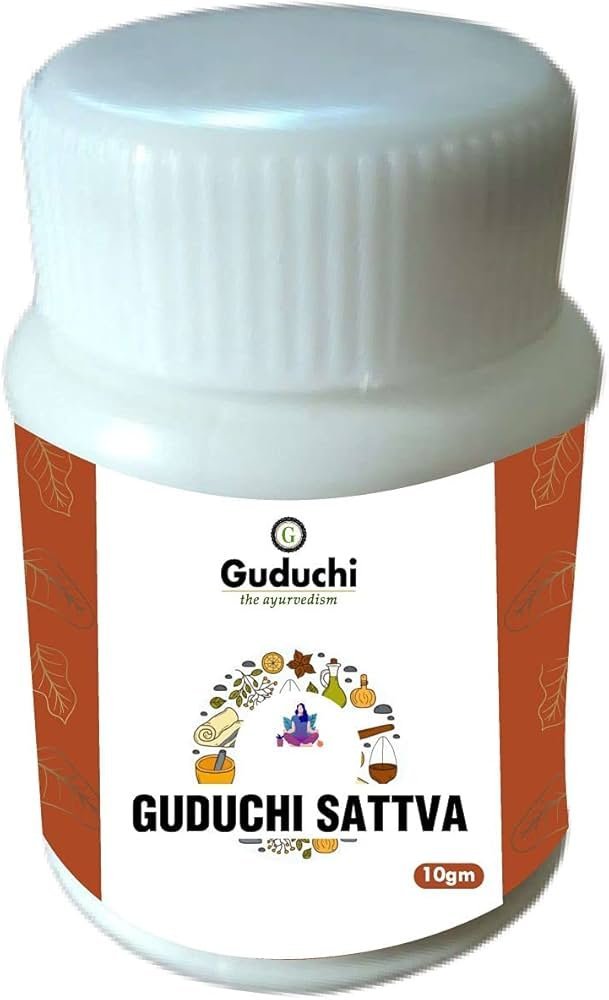
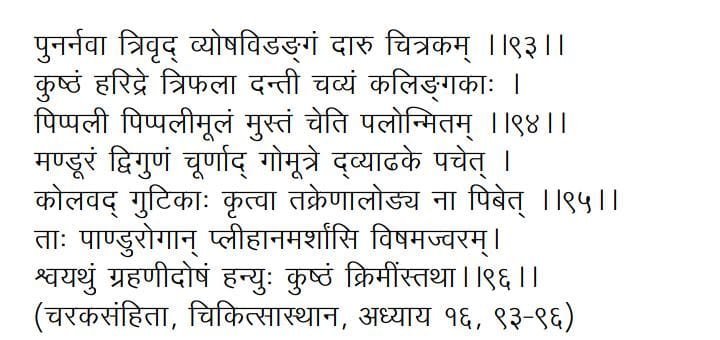
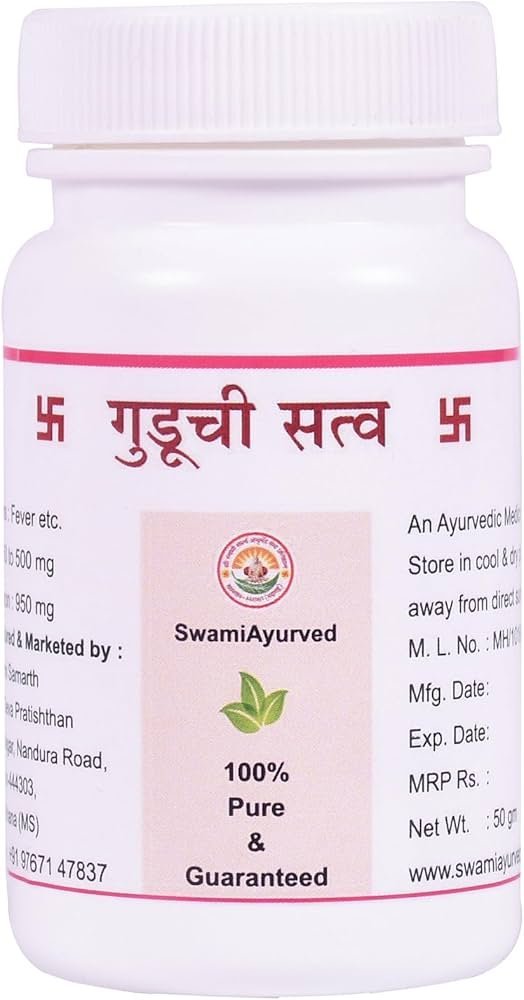
गुडूची सत्व
Skin issues

Ayurveda for Hidradenitis Suppurativa (HS): Ancient Healing for a Modern Skin Challenge

Hidradenitis Suppurativa (HS) is a chronic inflammatory skin condition marked by painful lumps, boil-like nodules, and abscesses in sweat-prone areas like armpits, groin, and buttocks. Modern medicine treats it with antibiotics, biologics, and surgeries—but Ayurveda offers a time-tested, root-cause approach. Ancient scriptures like Ashtanga Hridayam and Charaka Samhita classify HS-like conditions under Dushta Vrana (chronic infected wounds) and Vidradhi (deep abscesses). Ayurvedic Perspective on HS (Dushta Vrana & Vidradhi) According to Charaka Samhita, HS-like conditions result from Kapha and Pitta imbalance that blocks Srotas (body channels), leading to pus formation, inflammation, and tissue damage. The Ashtanga Hridayam (Chikitsa Sthana) describes Vidradhi as an internal or external abscess formed due to vitiated Rakta and Mamsa Dhatu (blood and muscle tissue). The pathology involves: Modern Insights + Ayurvedic Parallel Modern studies identify HS as an immune-mediated condition with follicular occlusion and bacterial infection. Research supports anti-inflammatory, antioxidant, and detox strategies—core to Ayurvedic practice. 🧪 Clinical Review of Immune Dysregulation in HS – NCBI Ayurvedic Treatments for HS 1. Shodhana (Detoxification): 2. Shamana (Herbal & Topical Remedies): Affiliate Recommendations: 3. Lepa & Oils: Ayurvedic Diet and Lifestyle for HS Most Googled Questions on Hidradenitis Suppurativa & Ayurveda HS is painful—but Ayurveda offers a path to healing. Combining ancient principles from Charaka and Hridayam with real-time, science-supported herbs, your skin can find relief, balance, and resilience.

Guduchi sattva
Skin issues

Ayurveda for Atopic Dermatitis and Eczema: Healing from Within with Classical Wisdom

Atopic Dermatitis (AD), commonly known as eczema, is a chronic skin condition marked by inflammation, itching, and dryness. Ayurveda identifies this condition as Vicharchika, categorized under Kshudra Kushtha (minor skin diseases), caused primarily by the vitiation of Pitta, Kapha, and Rakta (blood). Ayurvedic Perspective from Classical Texts According to Charaka Samhita, Vicharchika presents with symptoms such as Kandu (itching), Pidika (eruption), Vaivarnya (discoloration), and Srava (oozing). It is linked to poor digestion, accumulation of Ama, and a disturbed lifestyle leading to doshic imbalance. Sushruta Samhita (Chikitsa Sthana) describes Vicharchika as a disease that affects deeper tissues and requires both internal purification and external management. Classical and Evidence-Based Ayurvedic Treatments 1. Shodhana (Detoxification) 2. Shamana (Palliative Treatment) Affiliate Links: 3. Lepa (Topical Herbal Pastes) Scientific Evidence Supporting Ayurvedic Treatment A case study published in JAIMS documented the complete healing of eczema lesions in a 32-year-old female patient through a combination of Virechana, herbal decoctions, and Jatyadi taila. Read the full study Another review in IJAPR highlights the efficacy of Ayurvedic treatment in chronic skin conditions like Atopic Dermatitis. Link to research Most Asked Questions about Eczema and Ayurveda Restore your skin’s harmony by embracing Ayurveda’s root-level approach to eczema. With time-tested therapies, herbal wisdom, and now science-backed protocols, the path to radiant skin starts from within.

Skin issues

Ayurveda for Skin Cancer Prevention and Healing: Ancient Insight for a Real Threat

Skin cancer is no longer a rare condition—it’s one of the most common cancers globally, often triggered by chronic sun exposure, toxin buildup, oxidative stress, and genetic factors. In its classical texts like the Charaka Samhita, Sushruta Samhita, and Ashtanga Hridayam, Ayurveda outlines a preventive and restorative path that blends ancient wisdom with modern awareness. Ayurvedic Perspective on Skin Cancer (Arbuda) In the Sushruta Samhita (Nidana Sthana, Chapter 11), cancer-like conditions are referred to as Arbuda—a firm, immobile, non-suppurative swelling caused by vitiated doshas, mainly Kapha and Vata. It is noted that improper lifestyle, long-standing indigestion (Agnimandya), and accumulation of Ama (toxins) weaken Dhatus (tissues) and create abnormal cell growth. The Charaka Samhita (Chikitsa Sthana) emphasizes the importance of maintaining healthy Rasa and Rakta Dhatus (plasma and blood tissues) to prevent Dushti (vitiation) that can lead to malignancy. Preventive Ayurvedic Remedies & Detox for Skin Health 1. Haridra (Turmeric) Revered in all three classical texts, Haridra is classified under Kusthaghna (skin disease relieving) and Rasayana. Its curcumin compound possesses powerful anti-mutagenic and anti-inflammatory properties. Affiliate recommendation: Jiva Turmeric Capsules | 100% Ayurvedic formulation Made Of Haldi & Amla  2. Guduchi (Tinospora cordifolia) Guduchi is highlighted in Charaka Samhita as one of the best Rasayana herbs. It strengthens the immune system and detoxifies Rakta Dhatu, helping prevent skin pathologies. Affiliate recommendation: Baidyanath Guduchyadi Giloy Ghan Bati  3. Aloe Vera + Amla Juice Described in Ashtanga Hridayam as Pittashamak (cooling) and Raktashodhak (blood purifier), both aloe vera and Amla help cool the system and reduce inflammatory oxidative stress. Affiliate recommendation: Krishna’s Aloe Vera Amla Mix Juice – 1000 ml | Daily Rituals for Skin Cancer Prevention: Most Googled Questions on Skin Cancer Prevention (With Ayurvedic Answers) When the sun tests your skin’s strength, let Ayurveda be your shield. Grounded in ancient logic and time-tested herbs, it is not merely treatment—it’s prevention, protection, and peace from the inside out.

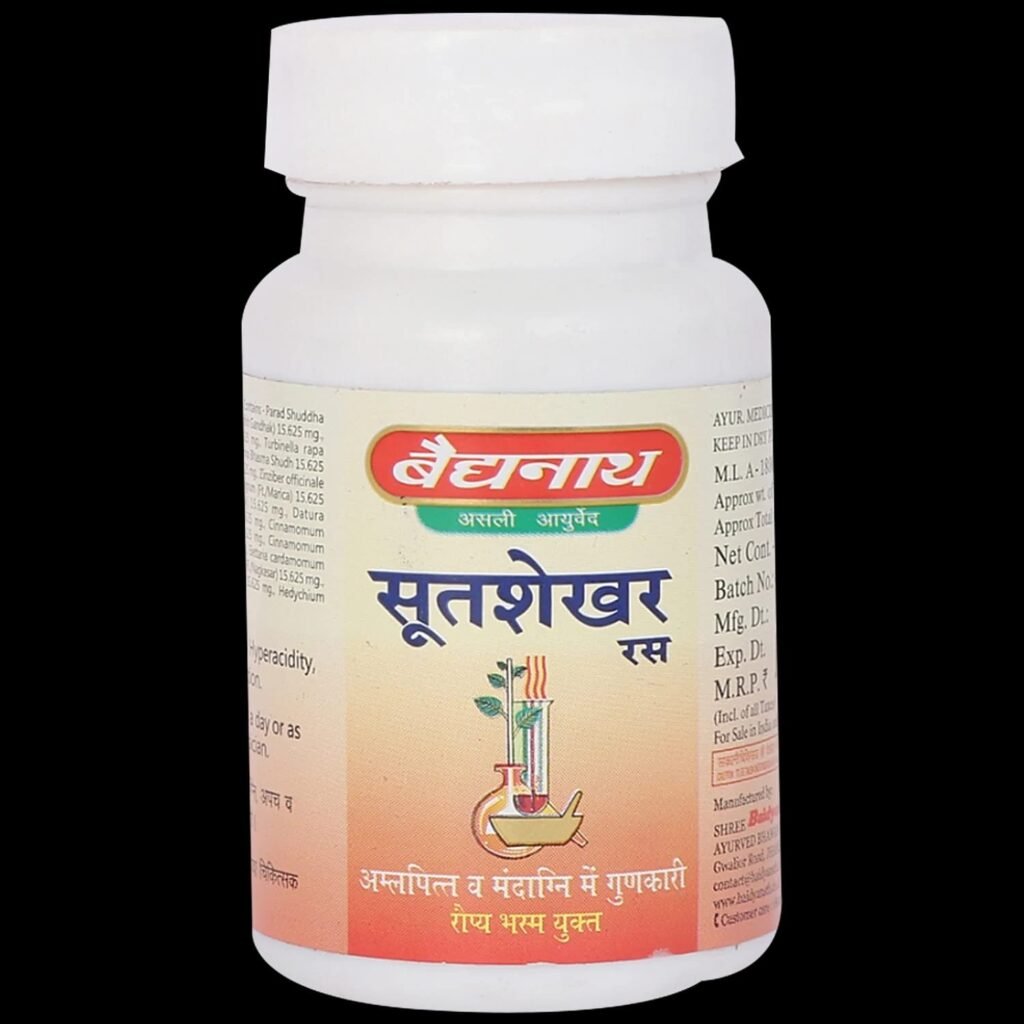
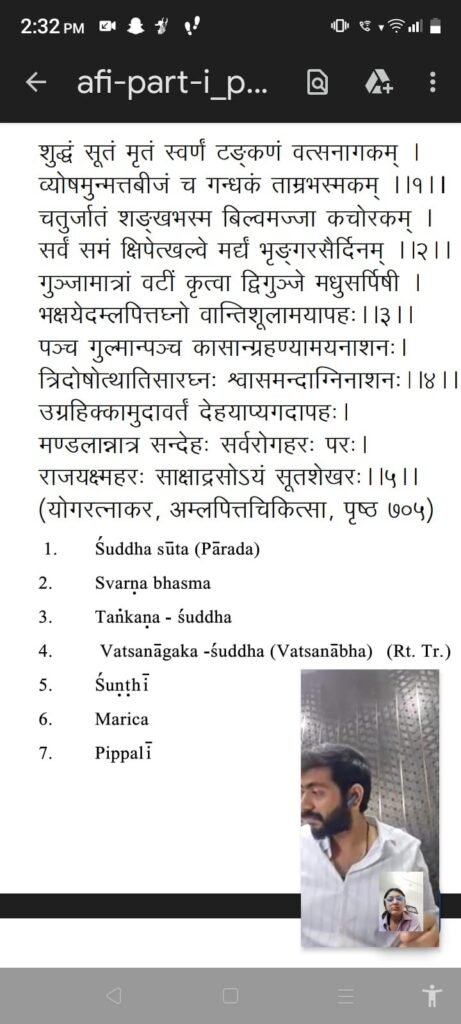
Sutashekhar rasa
Skin issues

Ayurveda for Hyperpigmentation and Melasma: Ancient Wisdom for Modern Glow

Hyperpigmentation and melasma are increasingly common in today’s fast-paced lifestyle, driven by stress, sun exposure, pollution, and hormonal imbalances. While modern dermatology offers temporary solutions, Ayurveda, through sacred texts like the Charaka Samhita and Astanga Hridayam, presents long-term healing by addressing the root cause. Ayurvedic Perspective on Hyperpigmentation and Melasma (Vyanga) As described in the Charaka Samhita (Chikitsa Sthana), hyperpigmentation, known as ‘Vyanga’, is primarily a Pitta dosha disorder caused by an imbalance in heat and metabolic functions. Stress, excessive sun exposure, and improper diet are key triggers. Ancient Ayurvedic Solutions for Pigmentation Issues: 1. Manjistha (Rubia cordifolia) Referred to as a powerful blood purifier in the Charaka Samhita, Manjistha clears internal toxins, improves complexion, and reduces pigmentation. Affiliate recommendation: MANJISTHA 500 mg, Pack Of 60 Capsules For Skin Health 2. Lodhra (Symplocos racemosa) Lodhra is known for its skin-toning and anti-pigmentation properties and is frequently cited in Astanga Hridayam. Affiliate recommendation: Kamdhenu Laboratories Lodhra Pathani Powder 3. Kumkumadi Tailam A classical Ayurvedic oil, made with saffron and sandalwood, this formulation is ideal for fading dark spots, improving skin tone, and restoring natural glow. Affiliate recommendation: MAEVE Kumkumadi Thailam, Kumkumadi Oil for Face Ayurvedic Face Packs & Applications for Pigmentation: Internal Cleansing for Lasting Results: Affiliate recommendation: Organic India Neem & Triphala Capsules Most Googled Questions on Pigmentation & Melasma (And Ayurvedic Answers) Glow naturally by harnessing the ancient Ayurvedic approach to hyperpigmentation and melasma—pure, effective, and rooted in centuries of holistic wisdom. The time-tested herbs and oils not only rejuvenate your skin but also your entire being.

Skin issues

Ayurveda for Acne and Post-Acne Marks: (cerave retinol serum for this no need of that )

Acne and post-acne marks are among the most prevalent skin concerns today, impacting both emotional well-being and confidence. Ayurveda, documented in revered ancient texts like the Astanga Hridayam and Charaka Samhita, offers timeless wisdom to address these modern-day skin troubles naturally and holistically. Cerave retinol serum for post-acne marks and skin texture, no need for that, when we are talking about Ayurveda Ayurveda’s Perspective on Acne (Yauvan Pidika) According to Charaka Samhita, acne or ‘Yauvan Pidika’ primarily results from imbalances of Pitta and Kapha doshas, aggravated by improper diet, lifestyle, hormonal fluctuations, and stress (Charaka Samhita, Chikitsa Sthana, Chapter 7). Ayurvedic Remedies for Acne from Ancient Texts: 1. Neem and Turmeric Astanga Hridayam emphasizes the effectiveness of neem (Azadirachta indica) and turmeric (Curcuma longa) in managing inflammation and purifying blood (Astanga Hridayam, Sutrasthana). Affiliate recommendation: Medimix Ayurvedic Anti-Pimple Face Wash  2. Sandalwood and Rosewater As stated in ancient Ayurvedic texts, sandalwood (Chandan) soothes inflamed skin and reduces excess heat associated with Pitta imbalance. Affiliate recommendation: Kama Ayurveda Pure Sandalwood Water 3. Manjistha (Rubia cordifolia) The Charaka Samhita mentions Manjistha as a powerful herb for detoxifying blood and improving skin clarity. Affiliate recommendation: MANJISTHA 500 mg, Pack Of 60 Capsules For Skin Health Ayurvedic Tips for Acne and Post-Acne Marks 1. Aloe Vera and Saffron Ancient texts highly praise aloe vera’s healing properties combined with saffron’s brightening effects for clearing marks and enhancing complexion. Affiliate recommendation: Forest Essentials Light Hydrating Facial Gel Pure Rosewater 2. Kumkumadi Tailam According to Astanga Hridayam, Kumkumadi oil, enriched with saffron and sandalwood, is excellent for fading dark spots and enhancing skin glow. Affiliate recommendation: MAEVE Kumkumadi Thailam, Kumkumadi Oil for Face Modern-Day Integration: Lifestyle Tips Most Searched Questions about Acne and Post-Acne Marks Rediscover clear and radiant skin through Ayurveda’s timeless and holistic approach, blending ancient wisdom with contemporary skincare solutions.Cerave retinol serum for post-acne marks and skin texture, no need for that, when we are talking about Ayurveda

Ayurveda's Natural Secret to Radiant Skin: Your Ultimate Skincare Guide
Skin issues

Ayurveda’s Natural Secret to Radiant Skin: Your Ultimate Skincare Guide

In today’s fast-paced world, skincare has become more crucial than ever for maintaining beauty and preserving overall health and well-being. Ayurveda, the ancient Indian science of life, emphasizes natural harmony and holistic wellness, especially in skincare. Dive into the wisdom of Ayurveda, harness the power of natural ingredients, and achieve glowing, healthy skin the Ayurvedic way. Importance of Ayurvedic Skincare According to Ayurveda, the skin directly reflects one’s internal health. By addressing the root cause of skin issues through balancing doshas—Vata, Pitta, and Kapha—Ayurveda provides a holistic skincare solution. It emphasizes a natural, toxin-free approach to skincare that not only enhances external beauty but also nurtures internal health. Ayurvedic Skincare Essentials: 1. Cleansing with Natural Ingredients Ayurveda suggests using gentle cleansers like chickpea flour (besan) mixed with milk or rose water, removing impurities without stripping natural oils. Affiliate recommendation: Kama Ayurveda Pure Rose Water 2. Exfoliation with Herbal Scrubs Gentle exfoliation with Ayurvedic scrubs, such as sandalwood and turmeric, brightens the skin and removes dead cells naturally. Affiliate recommendation: Forest Essentials Facial Scrub 3. Nourishing Masks Use herbal masks like neem, turmeric, and aloe vera to detoxify and soothe your skin, maintaining freshness and vitality. Affiliate recommendation: Himalaya Herbals Neem Face Pack 4. Hydration and Moisturization Ayurveda advises using pure oils such as coconut, almond, and sesame oil for deep hydration and nourishment. Affiliate recommendation: Organic India Cold Pressed Virgin Coconut Oil Ayurvedic Tips for Skin Types: Ayurvedic Lifestyle Practices for Beautiful Skin: 10 Frequently Asked Questions on Ayurvedic Skincare: Adopting Ayurveda not only transforms your skin but also harmonizes your body and mind. Embrace the Ayurvedic path and unveil your skin’s natural beauty!

kumkumadi sunscreen ,ayurveda sunscreen
Health and Wellness, Skin issues

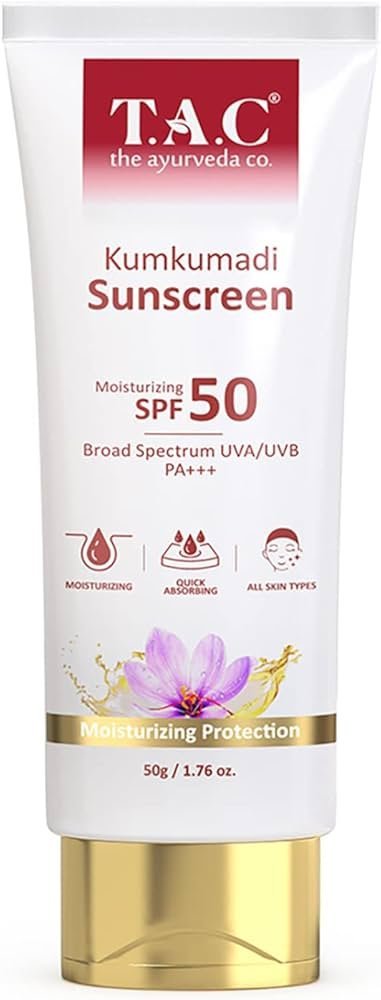
Best Ayurvedic Kumkumadi Sunscreen: Natural Glow & Sun Protection

Are you searching for an Ayurvedic sunscreen that protects your skin and enhances your natural glow? Look no further! Kumkumadi Sunscreen is a game-changer in the world of Ayurvedic skincare. Packed with the goodness of Kumkumadi oil and natural herbs, this sunscreen offers broad-spectrum sun protection while deeply nourishing your skin. Why Choose Kumkumadi Sunscreen? How to Use Kumkumadi Sunscreen for Best Results? Apply a generous amount on a cleansed face and neck 15 minutes before sun exposure. Reapply every 2-3 hours for prolonged sun protection. Use daily, even on cloudy days, to maintain healthy, radiant skin. 👉 Grab your Kumkumadi Sunscreen today and experience the magic of Ayurveda! Click here to buy. Final Thoughts Switching to an Ayurvedic sunscreen like Kumkumadi Sunscreen is a step towards healthier, naturally glowing skin. Say goodbye to chemical-laden sunblocks and embrace the power of Ayurveda for ultimate sun protection and skincare benefits. Have you tried a Kumkumadi sunscreen before? Share your experience in the comments below! Disclosure: This post contains affiliate links. If you purchase through these links, we may earn a small commission at no extra cost to you.

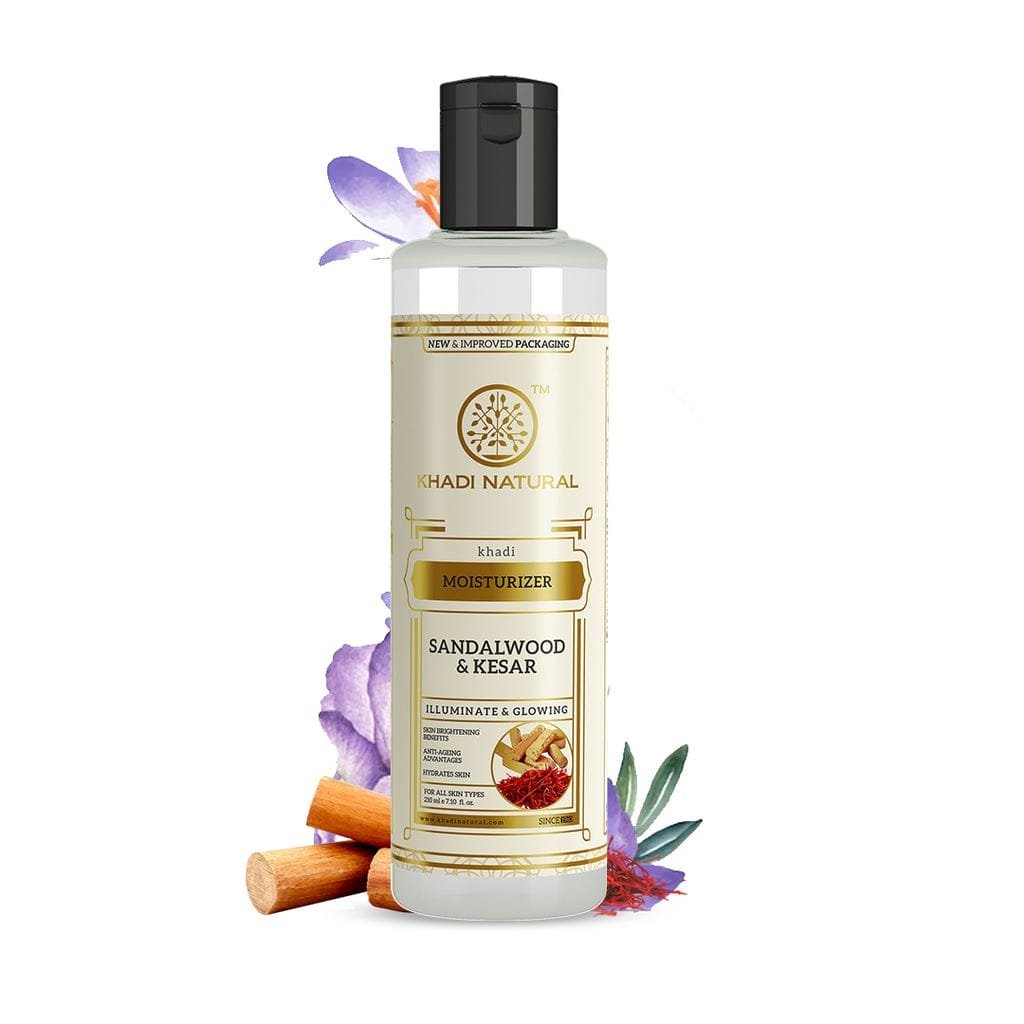
Khadi Naturals Sandalwood & Kesar Moisturizer
Skin issues

Khadi Naturals Sandalwood & Kesar Moisturizer Review: A Luxurious Ayurvedic Glow for Your Skin

Looking for a moisturizer that deeply nourishes your skin while giving you a radiant glow? Khadi Naturals Sandalwood & Kesar Moisturizer is a must-try! This Ayurvedic formulation combines the power of sandalwood, saffron (kesar), and other herbal ingredients to provide hydration, anti-aging benefits, and an even skin tone. This detailed review will explore its ingredients, benefits, how to use it, pros and cons, and whether it’s worth buying. If you love natural skincare, this is the moisturizer for you! What Makes Khadi Naturals Sandalwood & Kesar Moisturizer Special? Khadi Naturals is a well-known Ayurvedic and herbal brand that offers chemical-free, cruelty-free, and paraben-free skincare products. This moisturizer stands out because of its rich, natural ingredients that deeply hydrate and brighten the skin. Key Ingredients & Their Benefits ✔️ Sandalwood is known for its cooling and anti-inflammatory properties. Sandalwood soothes irritated skin, reduces blemishes, and gives a natural glow. ✔️ Kesar (Saffron) – One of the best ingredients for skin brightening, kesar reduces pigmentation and dark spots and enhances your complexion. ✔️ Aloe Vera – Provides deep hydration, prevents dryness, and repairs damaged skin. ✔️ Wheat Germ Oil is rich in Vitamin E it helps in anti-aging, reduces fine lines, and protects against environmental damage. ✔️ Shea Butter – A natural moisturizer that keeps the skin soft, smooth, and supple. ✔️ Jojoba Oil – Balances oil production, making it suitable for both dry and oily skin types. Benefits of Using Khadi Naturals Sandalwood & Kesar Moisturizer ✨ Deeply hydrates and nourishes the skin without making it greasy.✨ Brightens complexion with saffron, reducing dullness.✨ Lightweight and non-sticky, perfect for daily use.✨ Controls oil while keeping the skin soft and supple.✨ Reduces dark spots, pigmentation, and blemishes with regular use.✨ Prevents early signs of aging with Vitamin E and antioxidants.✨ Suitable for all skin types, including dry, oily, and combination skin. How to Use for Best Results 1️⃣ . Cleanse your face with a gentle herbal face wash.2️⃣ . Take a small amount of the moisturizer and apply it evenly on your face and neck.3️⃣ Massage gently in circular motions for better absorption.4️⃣ Use it twice daily – in the morning and before bed for best results. 💡 Pro Tip: Pair it with Khadi Naturals Sandalwood Face Pack once a week for an added glow! Pros & Cons of Khadi Naturals Sandalwood & Kesar Moisturizer Pros: ✅ 100% Herbal & Ayurvedic – Free from harmful chemicals✅ Lightweight & Non-Greasy – Perfect for everyday use✅ Pleasant Fragrance – Mild sandalwood and saffron aroma✅ Affordable & Long-Lasting – Budget-friendly with a little product going a long way✅ Made in India – Authentic Ayurvedic formulation Cons: ❌ May not provide enough hydration for very dry skin in winter❌ Saffron scent might feel strong for sensitive noses❌ Takes a few weeks to show visible brightening results Is Khadi Naturals Sandalwood & Kesar Moisturizer Worth It? Absolutely! If you’re looking for a natural, chemical-free moisturizer that keeps your skin glowing, soft, and youthful, this is a fantastic choice. The blend of sandalwood, kesar, and herbal extracts makes it ideal for daily skincare. ⭐ Overall Rating: 4.7/5 ⭐ Final Verdict: A Must-Have Ayurvedic Moisturizer! If you want glowing, soft, and youthful skin naturally, Khadi Naturals Sandalwood & Kesar Moisturizer is a must-try. With Ayurvedic goodness, lightweight texture, and long-lasting hydration, this is one of the best herbal moisturizers in India. Have you tried it yet? Share your experience in the comments! ✨ Want more Ayurvedic skincare tips? Follow our blog for the latest updates! ✨

Bridging ancient Ayurvedic wisdom with the modern world — providing authentic, expert health knowledge rooted in classical texts and clinical experience.

Categories

Health Topics

Company

Avenue William St, Melbourne VIC 2400, Australia

+(426) 266 348 76

example@ecoplant.com

Scroll to Top